Split-Dalmatia County (DR4) - Pilot Activities Overview
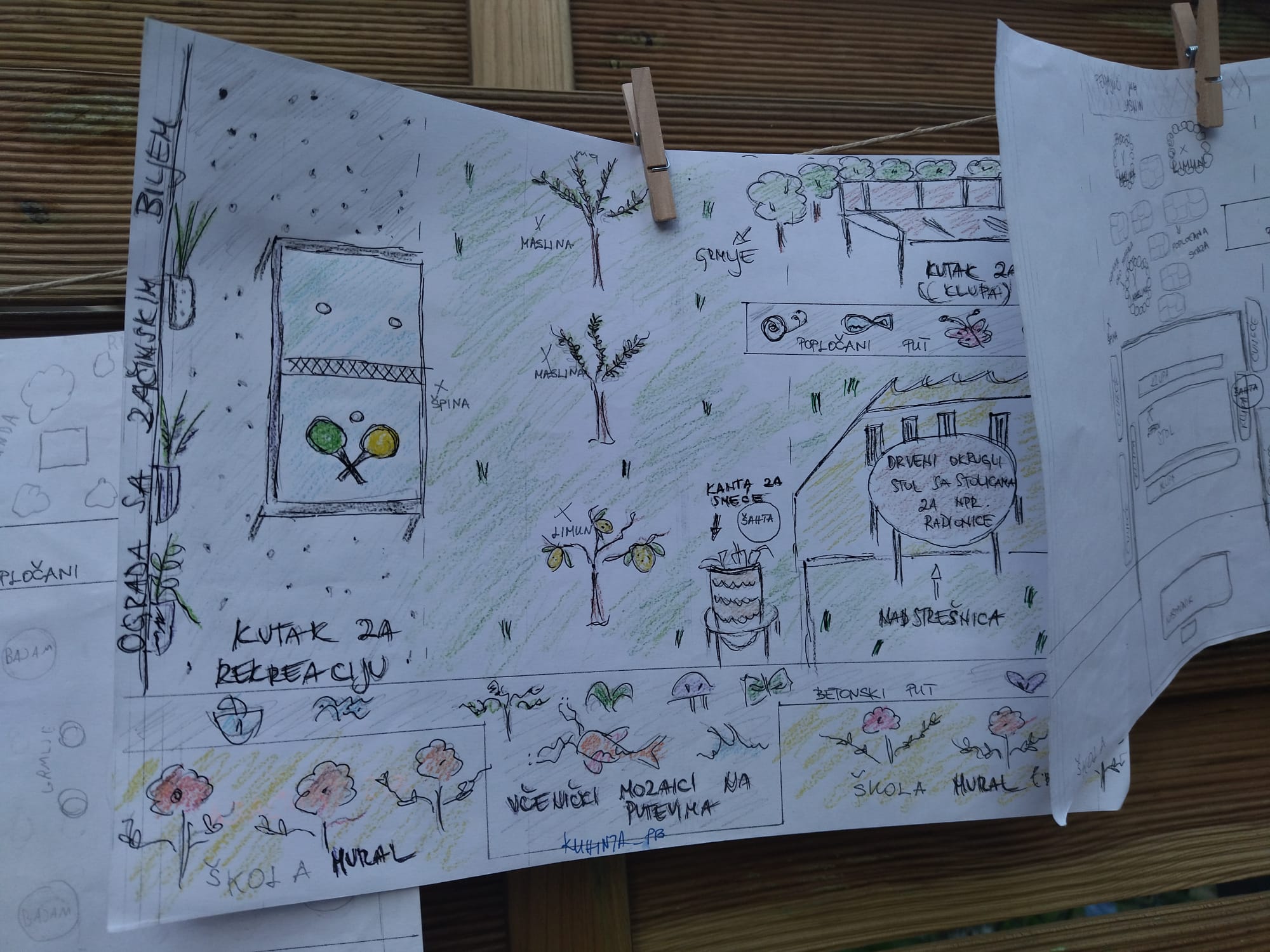
Split-Dalmatia County (DR4) applies two complementary pilot actions focused on establishing NbS School Gardens within primary schools. These pilots serve as multifunctional outdoor classrooms and critical climate adaptation infrastructure.
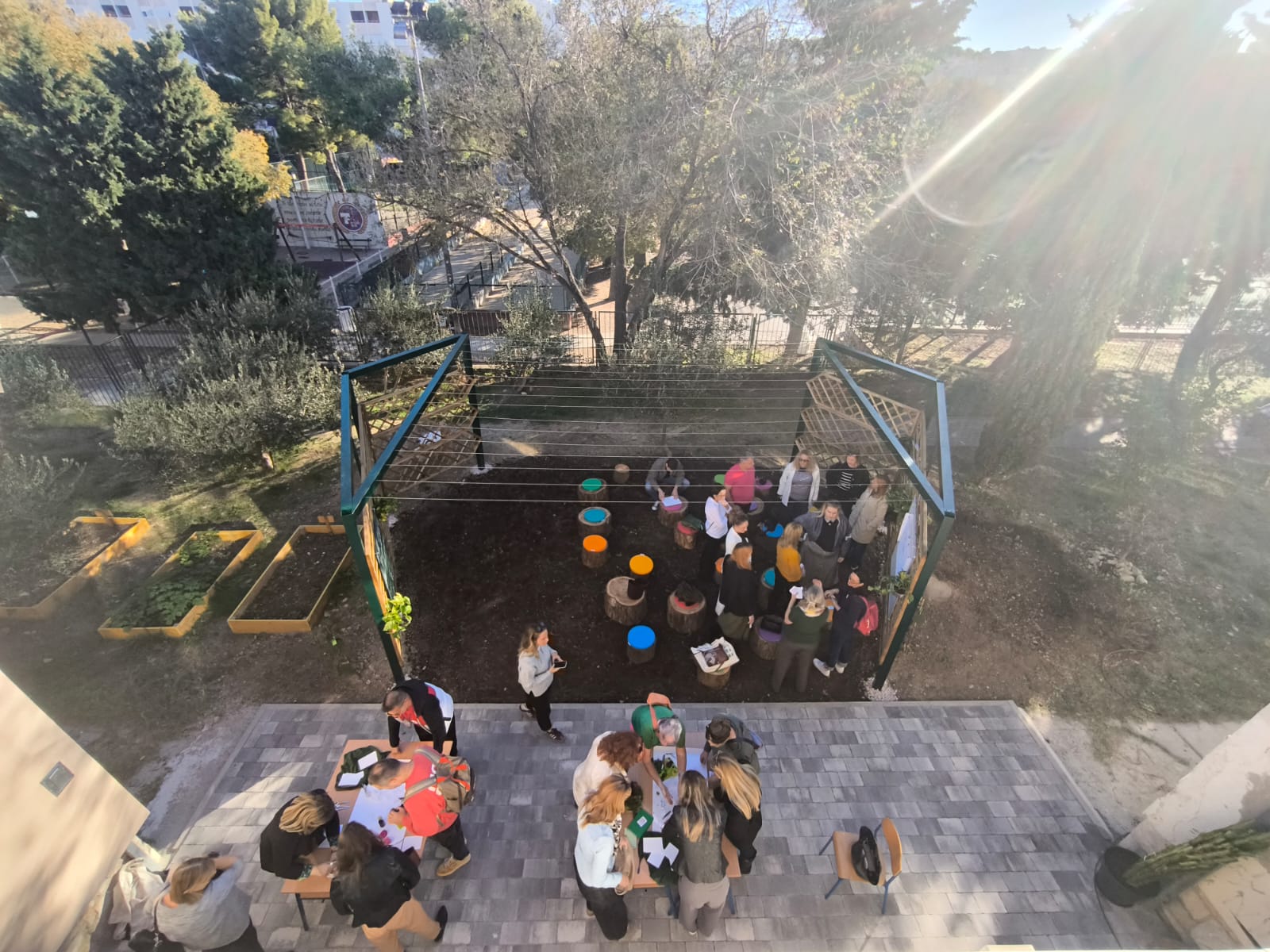
Utilizing a participatory, interdisciplinary approach, the project assesses school needs and spatial capacities to co-design and deliver tailored green solutions with students, teachers, and local community actors.
Pilot Action 1&2: NbS School Garden
Pilot Action Title
Pilot 1&2 – NbS School Gardens
Region Involved
Pilot Location
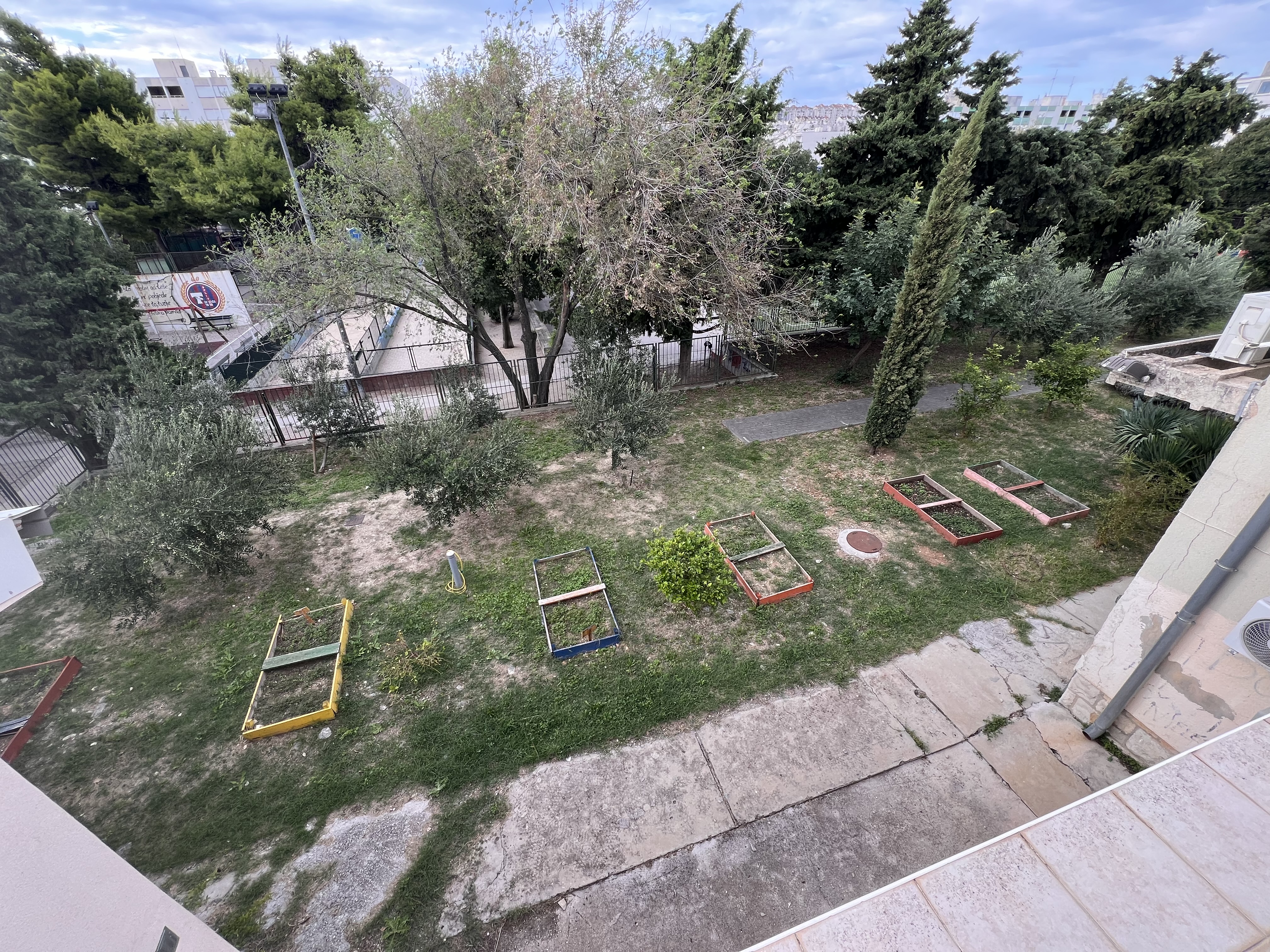
Selected primary schools, including OŠ Dobri and Skalice in Split (with replication activities at Brda and Kamešnica Primary Schools)
Climate Hazard Addressed
Heatwaves, droughts, and urban heat island effects
General Objective
- Demonstrate school gardens as functional climate adaptation infrastructure to mitigate urban heat.
- Deliver measurable environmental and social benefits within the school setting.
- Embed climate adaptation in education through experiential outdoor learning and monitoring.
- Strengthen stakeholder engagement and shared ownership to ensure long-term sustainability.
Technical Description
- Fuel and Vegetation Management: Strategic increasing of vegetation cover and evapotranspiration to regulate local school microclimates. Focus on native species selection and restoring the vitality of urban greenery.
- Water Lifecycle & Resilience: Enhancing stormwater management through improved soil infiltration and moisture retention using composting and mulching.
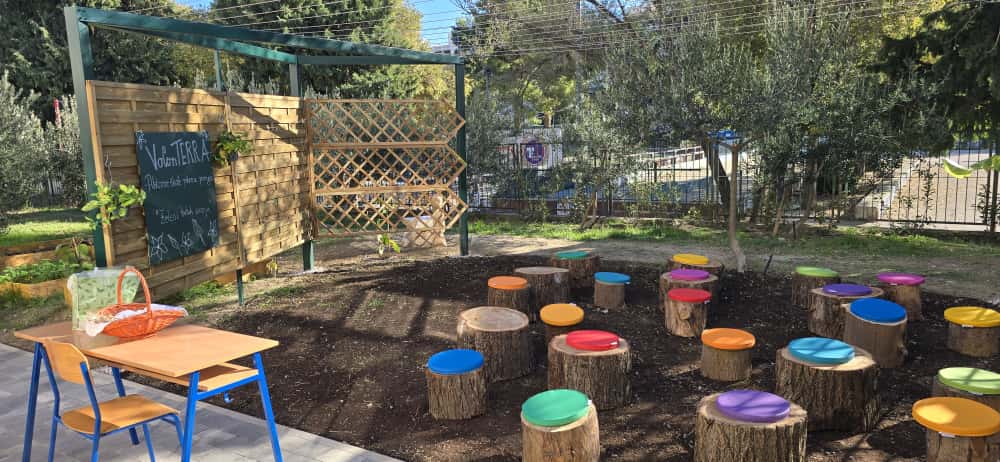
- Adaptive Infrastructure: Transforming school grounds into “living laboratories” with designed outdoor classrooms and permeable surfaces.
- Governance and Monitoring: Designing sustainable monitoring protocols that schools maintain beyond project completion through eco-programs.
Foreseen Benefits
- Establish and operationalise school gardens as outdoor classrooms and adaptation infrastructure,
- Increase vegetation cover and microclimate regulation in school environments,
- Enhance stormwater management and soil moisture retention,
- Increase biodiversity,
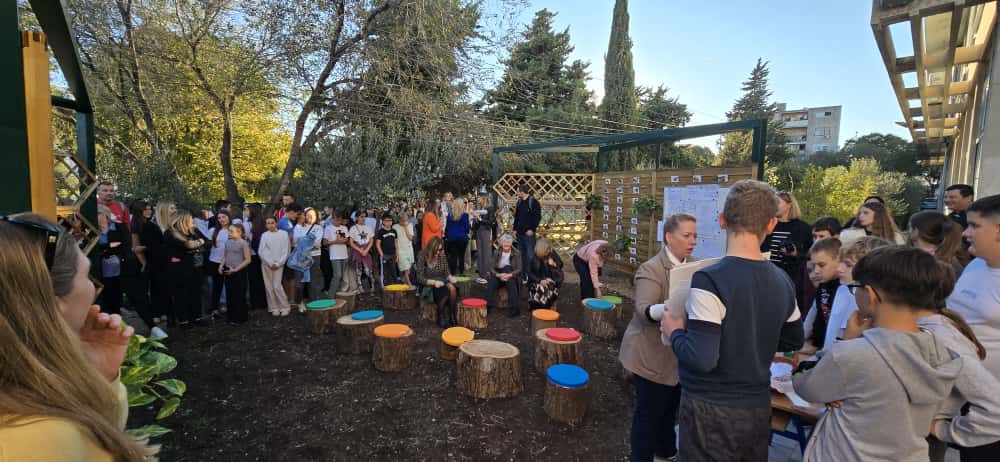
- Engage students, teachers and parents in co-design, implementation and monitoring.