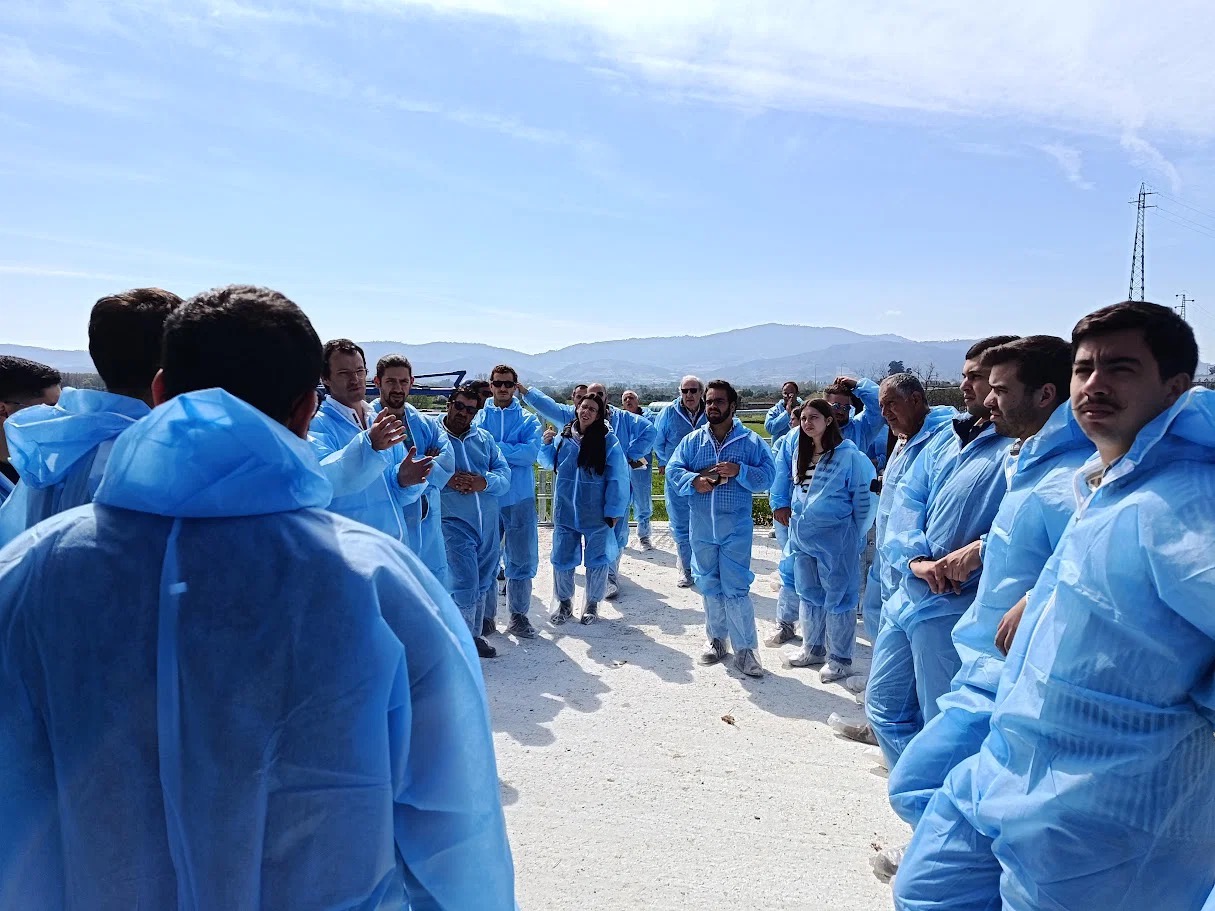
CIMBSE Region (DR1) - Pilot Activities Overview
The CIMBSE Region is implementing three pilot actions that respond to the urgent need for research, experimentation, and innovation in a territory that, until now, lacked structured experimental activity. The introduction of new varieties and practices has often occurred without proper evaluation of their suitability to local edaphoclimatic conditions or future climate scenarios, resulting in economic losses and production failure. The pilots aim to reverse this pattern by establishing three experimental fields-Agriculture, Forestry, and Livestock-serving as knowledge hubs for testing Nature-Based Solutions (NbS), low-cost technologies, and climate-resilient production systems. These fields will generate strategic knowledge, equipping producers, technicians and decision-makers with the information needed to make better, locally adapted choices.
Pilot Action 1 – Experimental fields for fruit-farming
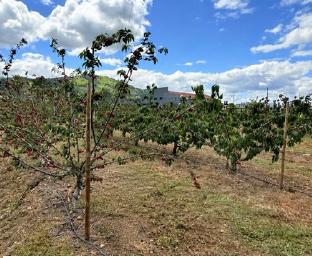
The main objective of this pilot is to establish experimental fields to test regional crops under climate change conditions. These fields will serve as demonstration areas where local farmers can observe and trial innovative agricultural solutions in a real-world context. To better understand the water requirements of the crops being tested and to ensure more efficient resource management, the pilot will also test new, intelligent irrigation systems optimised for water use.
The pilot includes two axes:
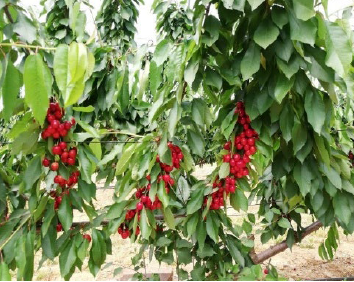
Fruit Production - Cherry and Associated Systems: Traditional cherry and sour cherry varieties will be conserved through in-vitro collections and in-situ orchards using micro-propagated plants. New cherry, peach, apple, and pear varieties will also be tested with innovative training systems to assess their adaptability, productivity, and resistance under local conditions. In addition, smart irrigation and fertilisation systems using low-cost sensors, supported by smart traps and LoRa weather stations, will be implemented to improve water efficiency and nutrient management in response to climate pressures.
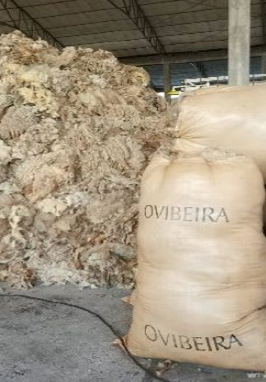
Biodiversity and Soil Resilience - Pollination and Water Retention: Soil resilience will be enhanced using pelletised and untreated wool to improve water retention and fertilisation. Pollination will be strengthened by introducing biodiverse pasture mixes, installing beehives in orchards, and promoting beehive transhumance, supporting biodiversity, ecosystem health, and sustainable beekeeping.
- Increasing fire resilience through better land use and management practices;
- Transforming the landscape by incentivising shared land management and diversifying land uses;
- Boosting agroforestry productivity and economic sustainability for local communities.
Pilot Action 2 – Experimental Fields for Forest
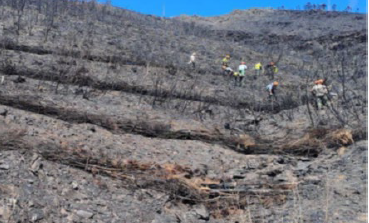
The main objective of this forest pilot is to implement innovative technologies and nature-based practices to enhance biodiversity, landscape resilience, and sustainable forest management. The pilot is integrated within the Integrated Landscape Management Area of Serra da Gardunha (AIGP) and contributes directly to the Landscape Reordering and Transformation Strategy, which aims to build a more resilient, diverse and multifunctional rural landscape, capable of mitigating wildfire risk and supporting biodiversity and carbon sequestration.
The main aspects of the pilot include:
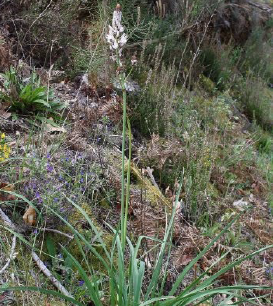
Asphodelus Conservation: Conservation and propagation efforts for the Asphodelus species, which faces low natural regeneration rates. Monitoring will identify stress factors and support long-term restoration strategies.
Clonal Propagation Field Trials: Cloning of rare or threatened species to ensure genetic preservation and evaluate their performance under local conditions, supporting forest diversification.
Biodiverse Landscape Mosaics: Implementation of test plots integrating forest, agricultural and pasture uses to break monocultures, enhance biodiversity and reduce fire spread.
Gravity-Fed Irrigation (Waterflooding): Testing simple and cost-effective irrigation methods adapted to forest needs, using local topography to reduce water stress.
Smart Monitoring Systems: Deployment of LoRa-connected weather stations and drones to collect real-time environmental data and support early warning systems for fire and pest management.
Cherry and Arbutus as Strategic Forest Species: Evaluation of how traditional cherry varieties and strawberry trees can contribute to ecological restoration and landscape fragmentation, with added value for local production.
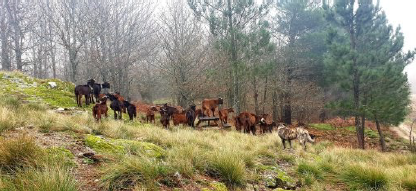
Extensive Grazing: Application of controlled livestock grazing as a vegetation management tool to reduce combustible biomass and support multifunctional land use.
- Conserve threatened species such as Asphodelus and preserve and improve genetic resources through clonal propagation,
- Promote reforestation with regionally adapted species, such as cherry and strawberry trees,
- Enhance fire prevention through landscape mosaics and extensive grazing,
- Reduce erosion and restore soil function with biodiverse pasture, and
- Strengthen ecosystem service delivery, including carbon storage, pollination, and water regulation.
Pilot Action 3 – Experimental Fields for Agriculture and Cattle Raising
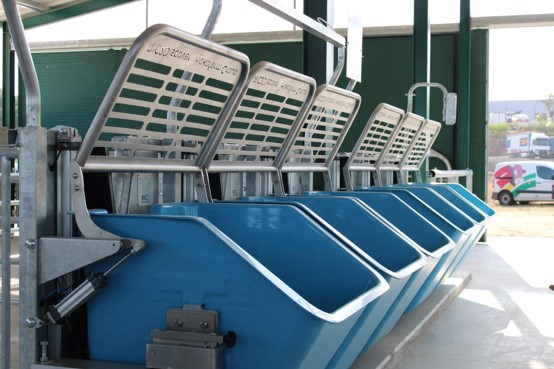
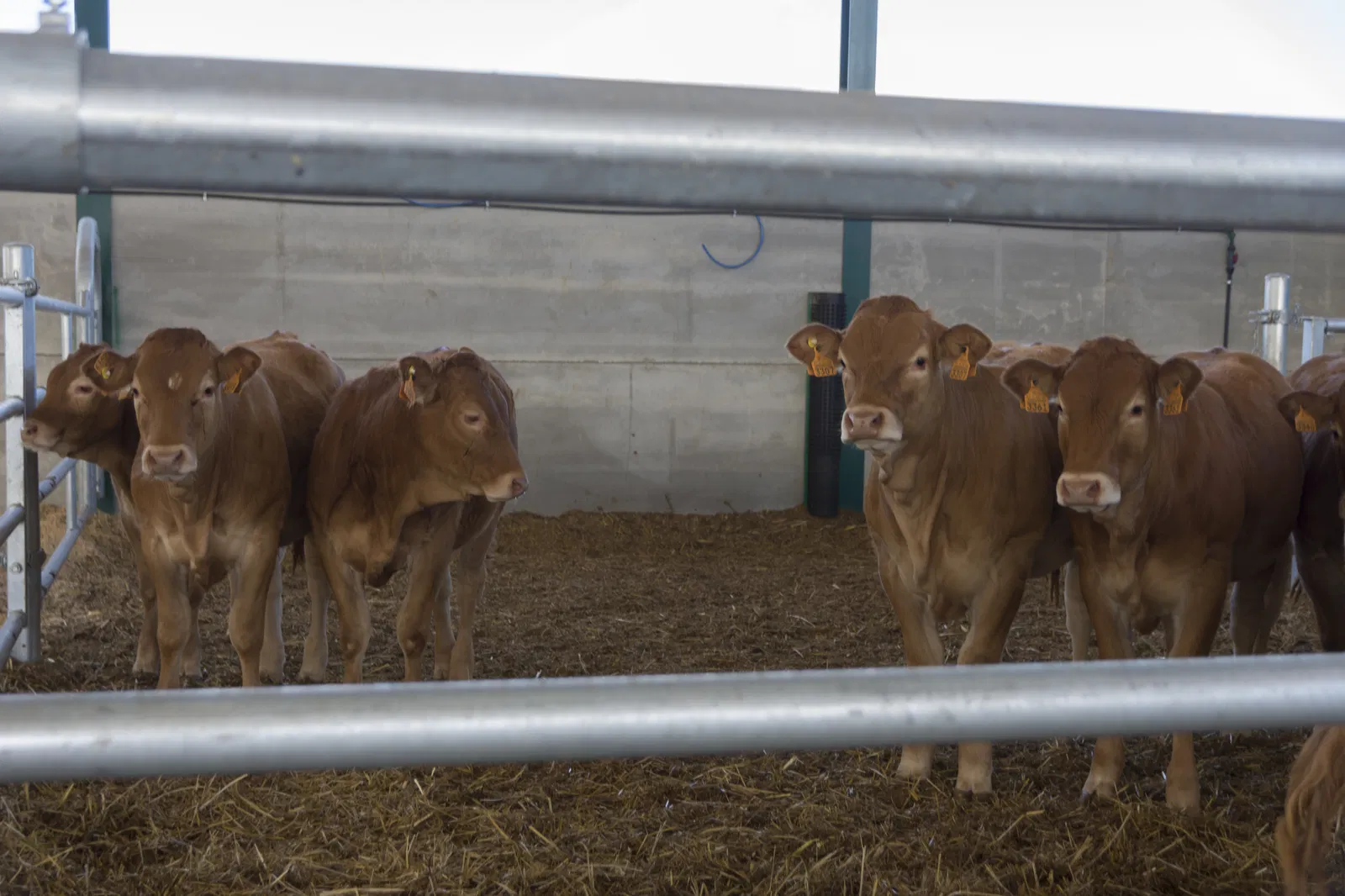
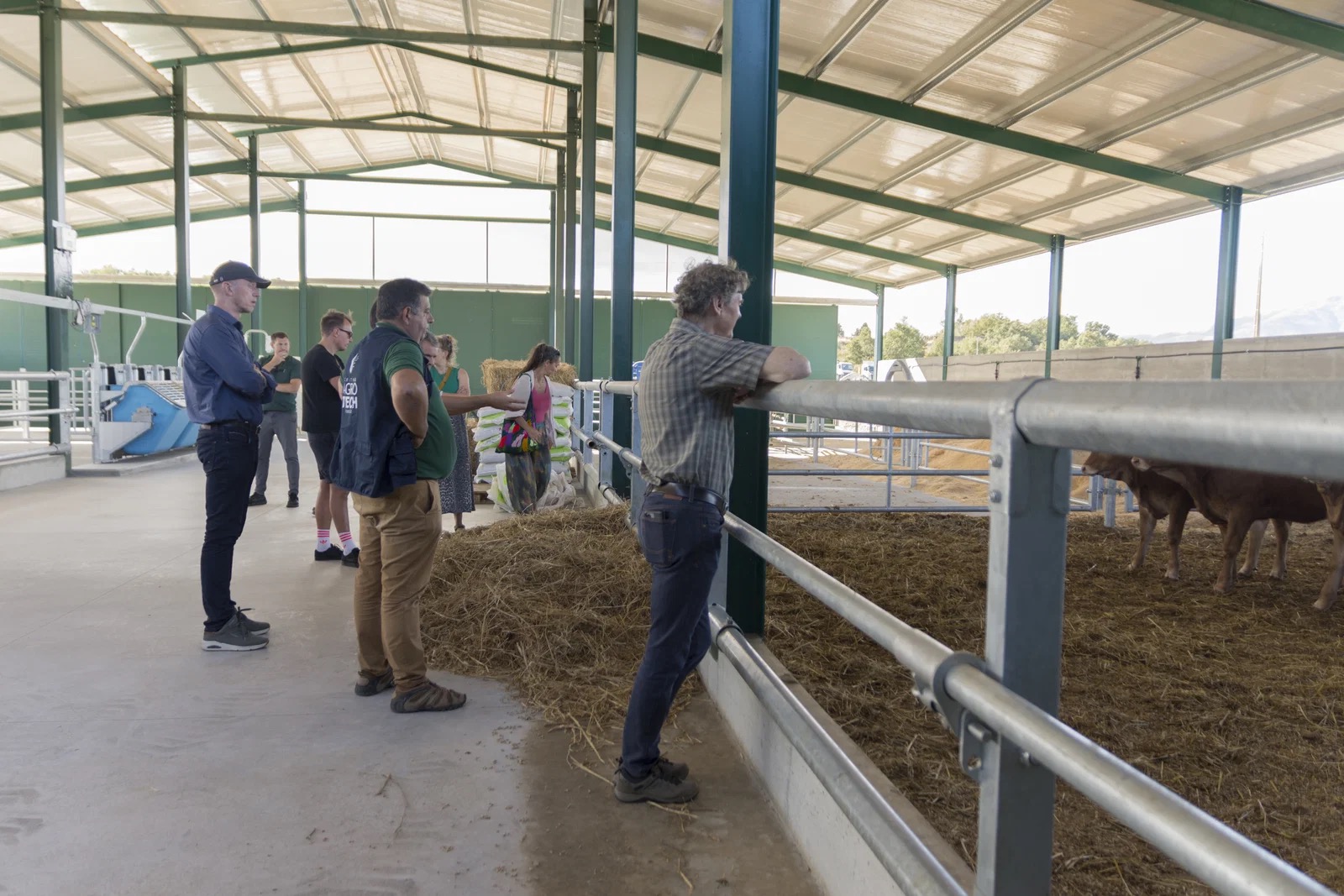
The pilot aims to establish an Animal Improvement Centre focused on the feed efficiency and genetic enhancement of cattle, sheep and goats suited for extensive grazing in mountainous and high-altitude pasture areas. The activities aim to revitalise traditional pastoral systems, increase landscape resilience to wildfire, and promote regenerative livestock practices.
The pilot includes the following practices:
Forage and Seed Trials
Testing improved forage species and seed varieties adapted to extensive grazing systems to boost productivity, biodiversity, and pasture resilience under climate change.
Carbon-Sequestering Pastures at Altitude
Establishing improved high-altitude pastures within the AIGP to increase soil organic matter, enhance carbon sequestration, and support grazing models that help prevent wildfires.
Soil Regeneration through Livestock Management
Conducting field trials using holistic grazing approaches to improve soil fertility, reduce compaction, enhance natural fertilisation, and increase water retention.
Water Adapt System
Piloting an innovative rainwater collection and gravity-fed distribution system for livestock in remote areas, alongside plant-based water purification and insect control strategies near reservoirs.
Precision Livestock Technologies
Evaluating digital tools (e.g., geolocation, monitoring, virtual fencing, feed intake tracking, and performance analytics) to optimise herd management and pasture use.
Genetic Improvement and Performance Testing
Creating a modern training and testing centre to assess and improve genetic traits in grazing-adapted livestock, focusing on feed efficiency, methane reduction, and weight gain.
Wool Valorisation and Sustainable Soil Fertilisation
Testing the use of wool and organic by-products (e.g., sludge and ash) to enhance soil fertility and water retention while creating new value chains.
Extensive Grazing for Fire Prevention
Demonstrating the role of managed grazing systems in reducing vegetation fuel loads and lowering wildfire risk in protected and remote landscapes.
- Reduce the environmental footprint of animal production (e.g. methane emissions, inefficient resource use)
- Improve animal health and welfare through data-driven management
- Encourage consumer awareness and WTP (willingness-to-pay) for local products linked to biodiversity conservation, animal welfare, and rural identity