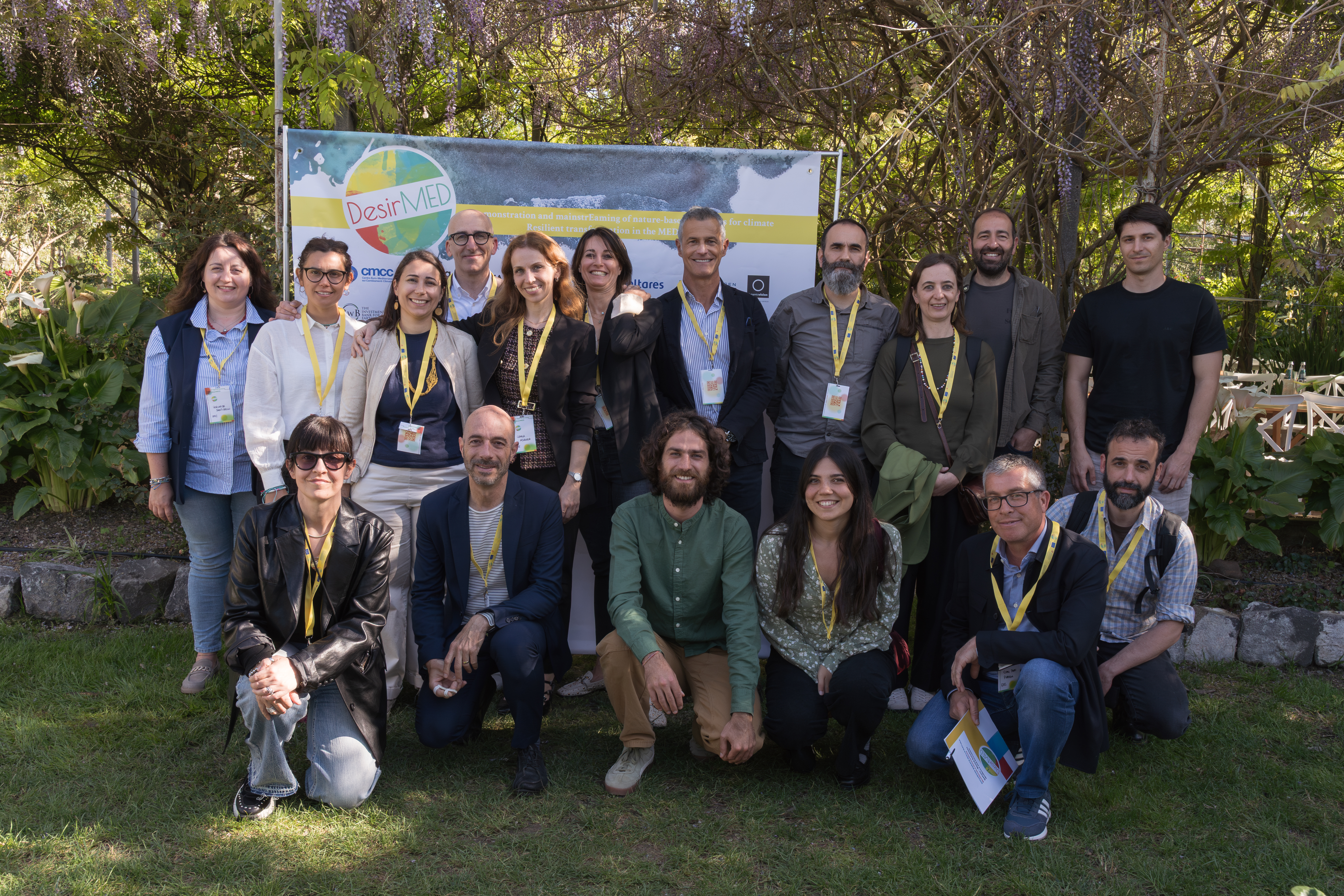
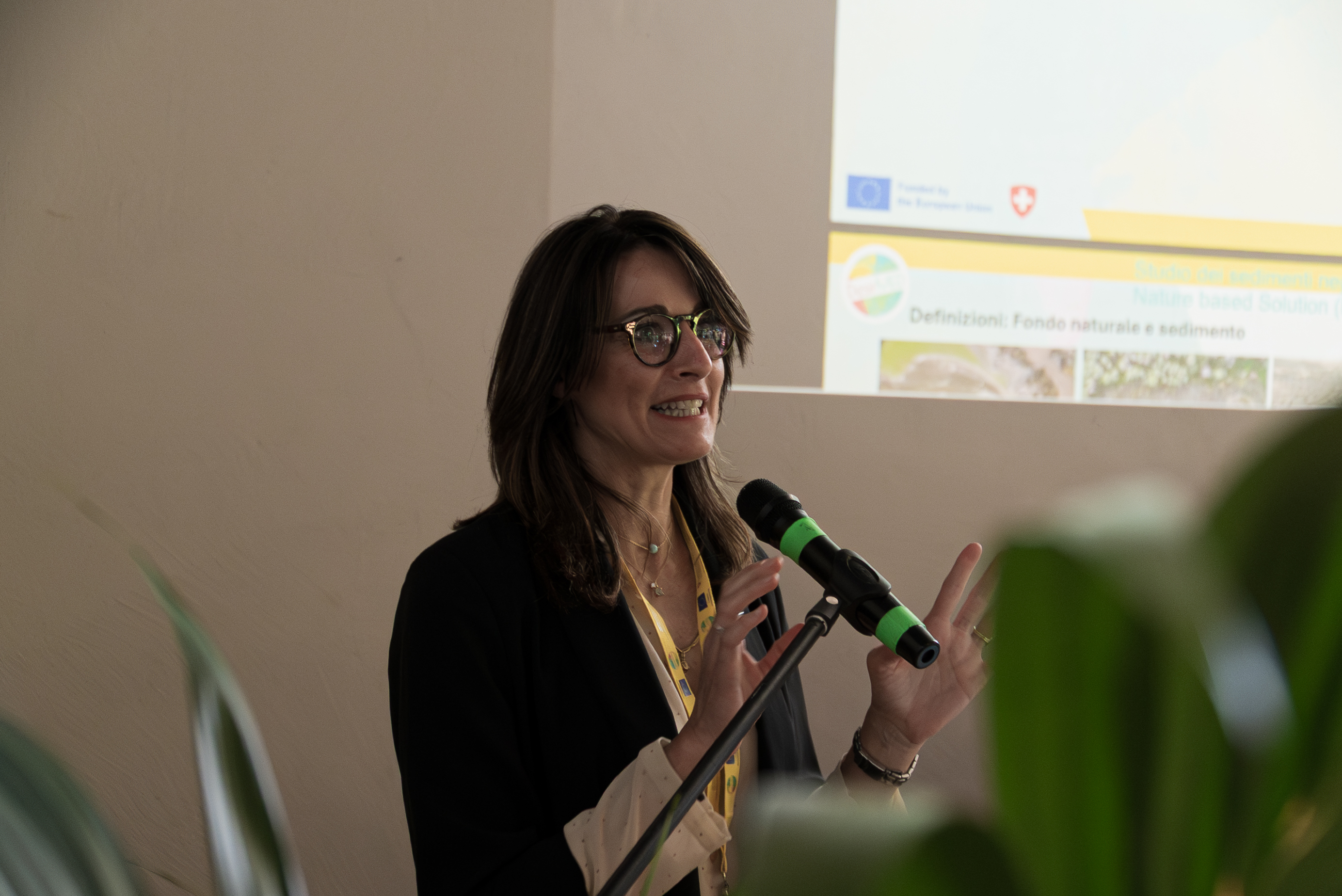
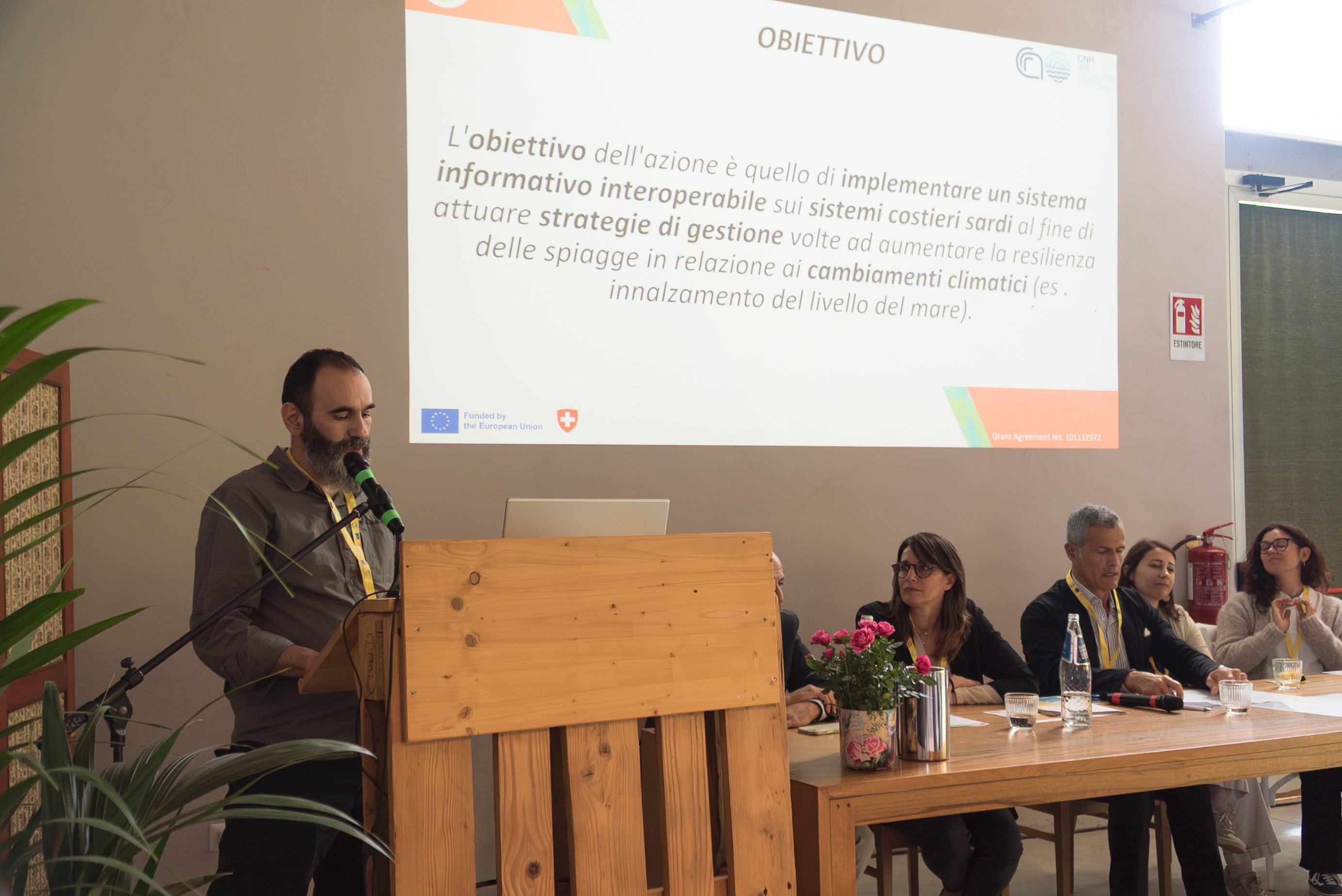
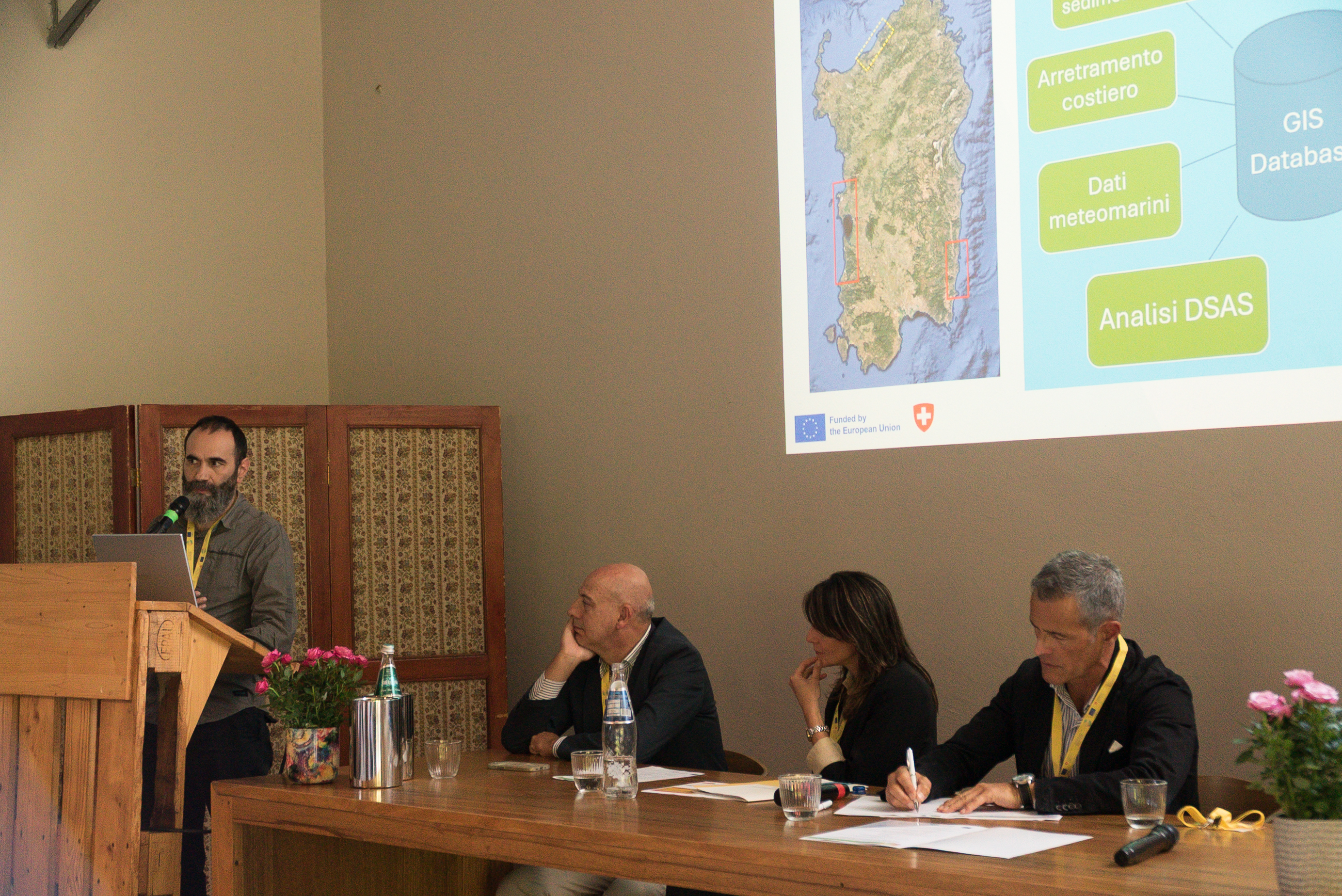
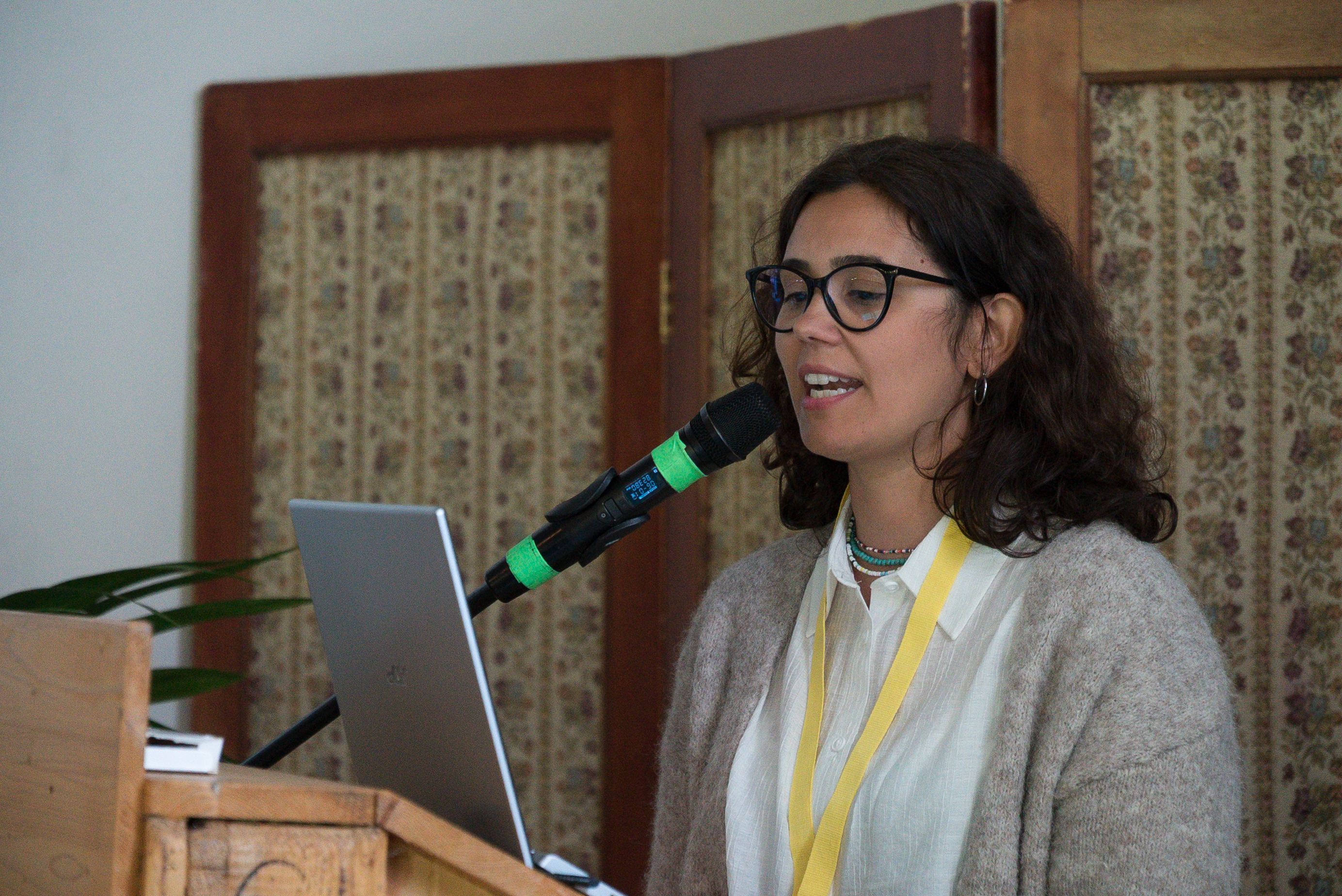
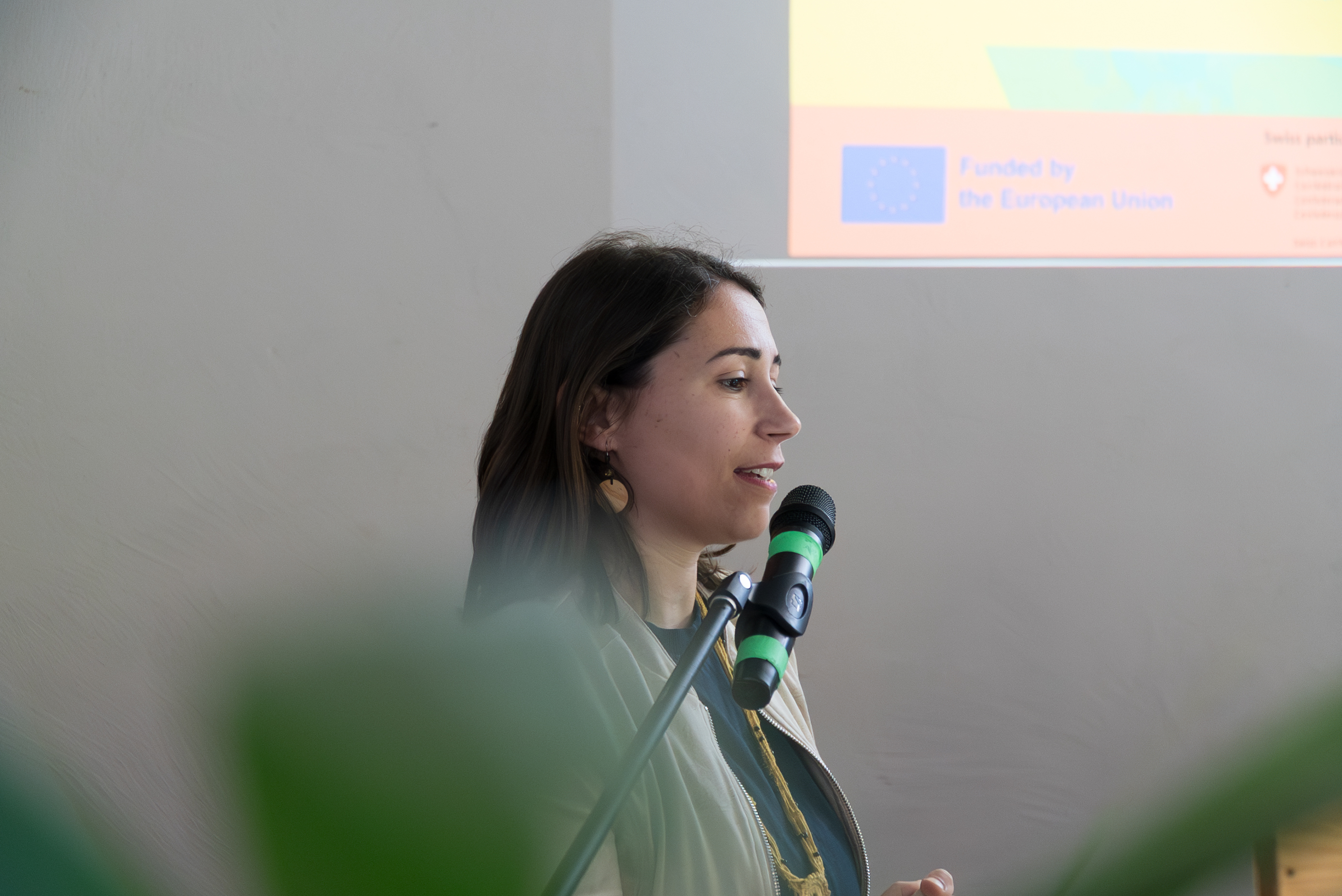
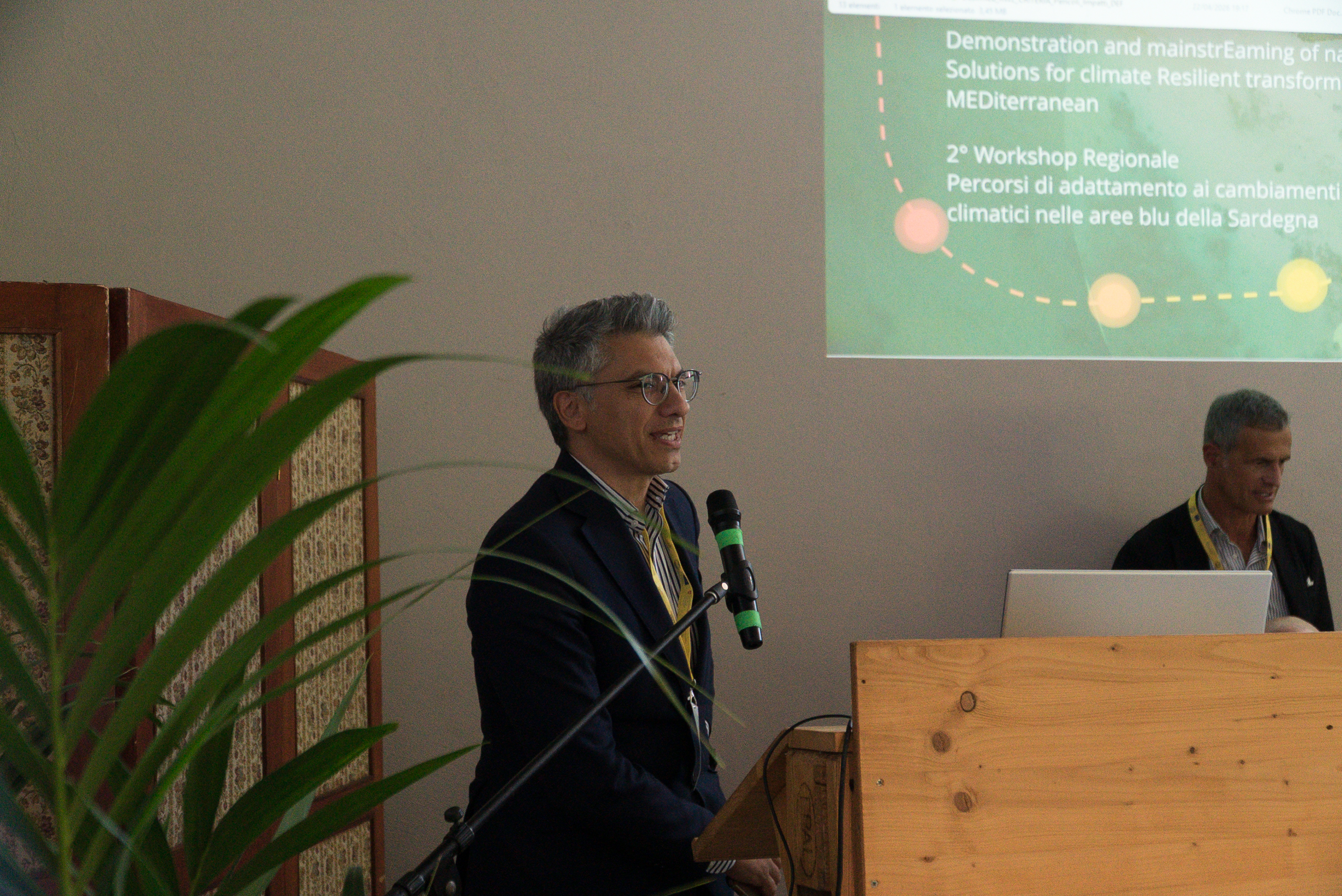
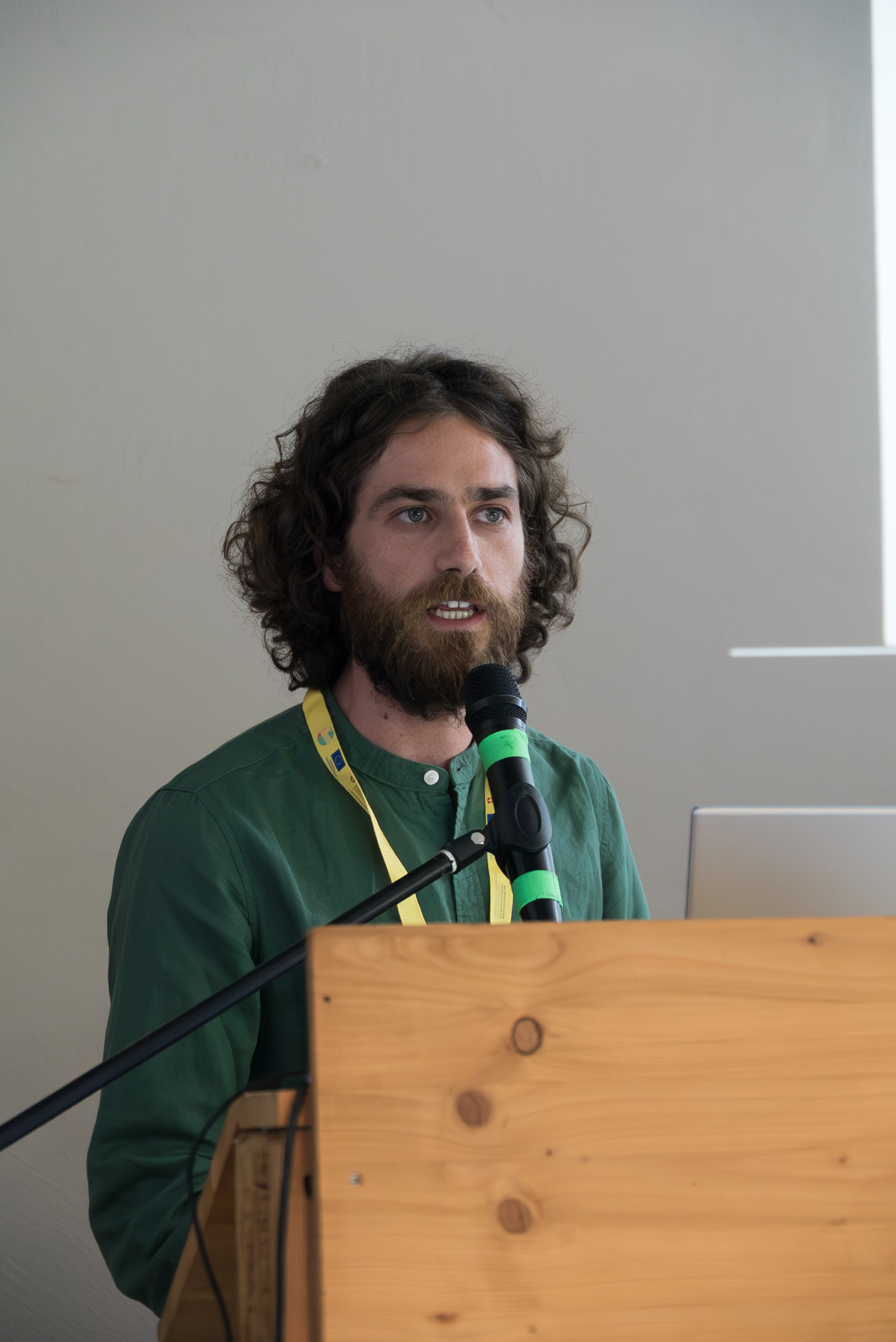
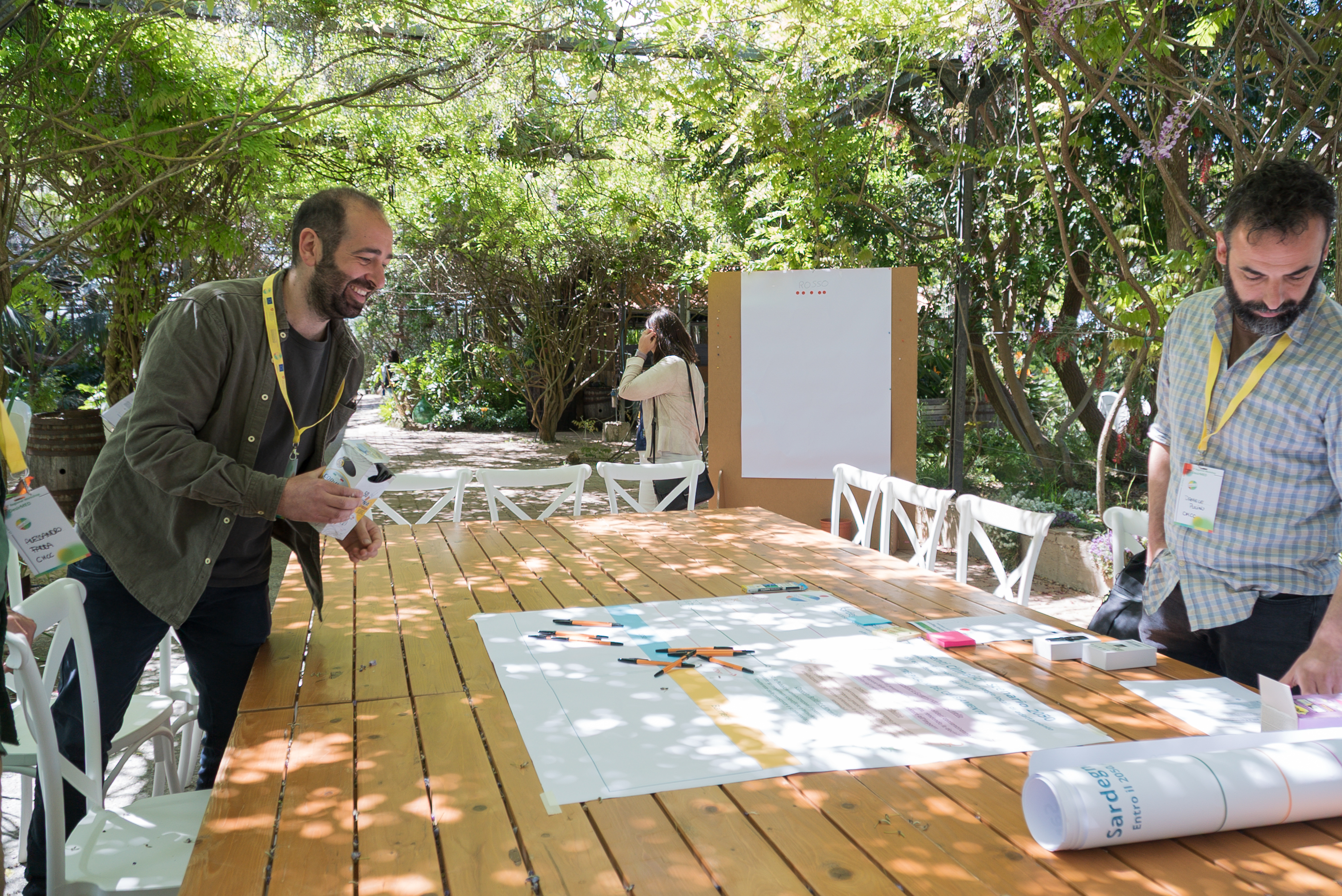
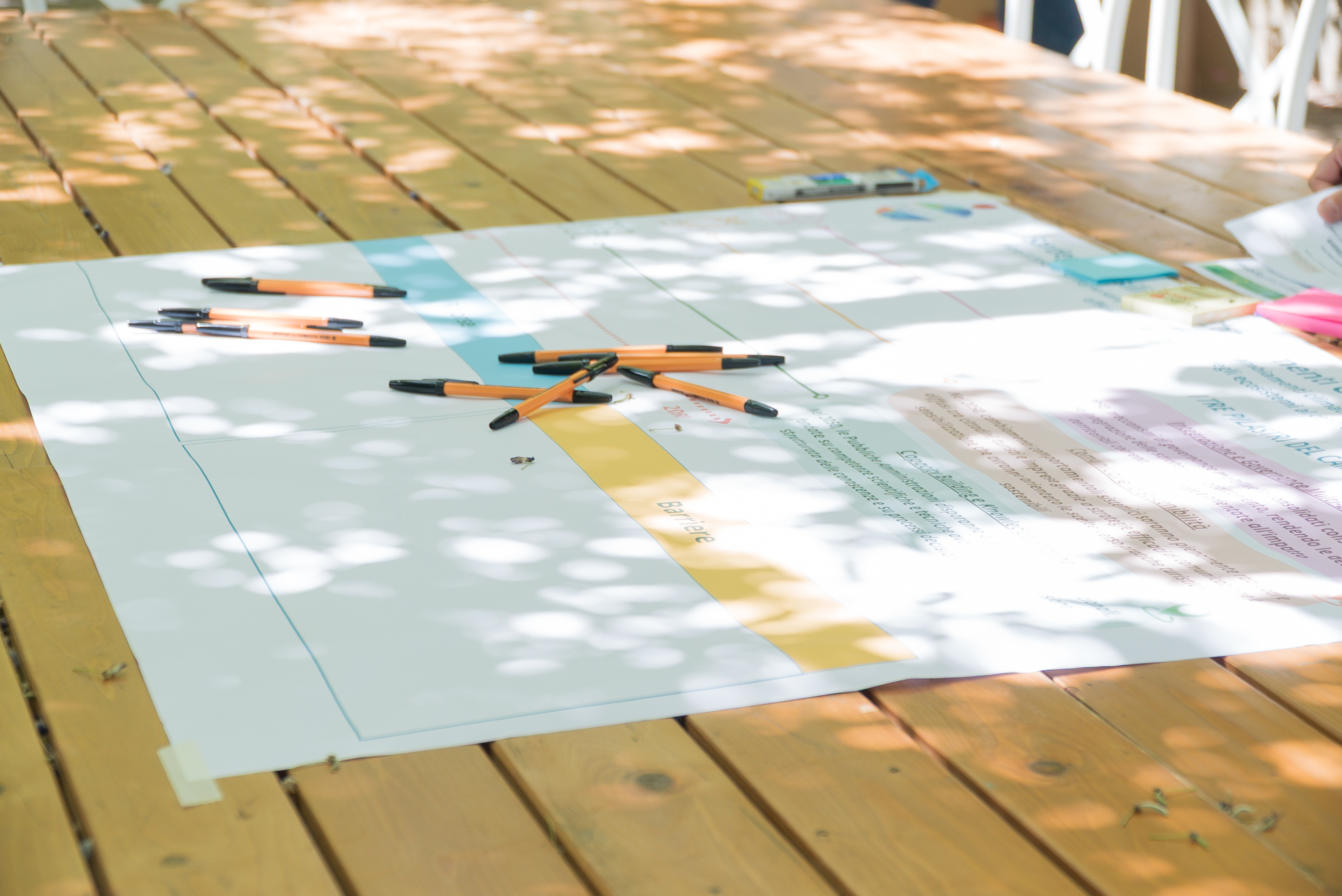
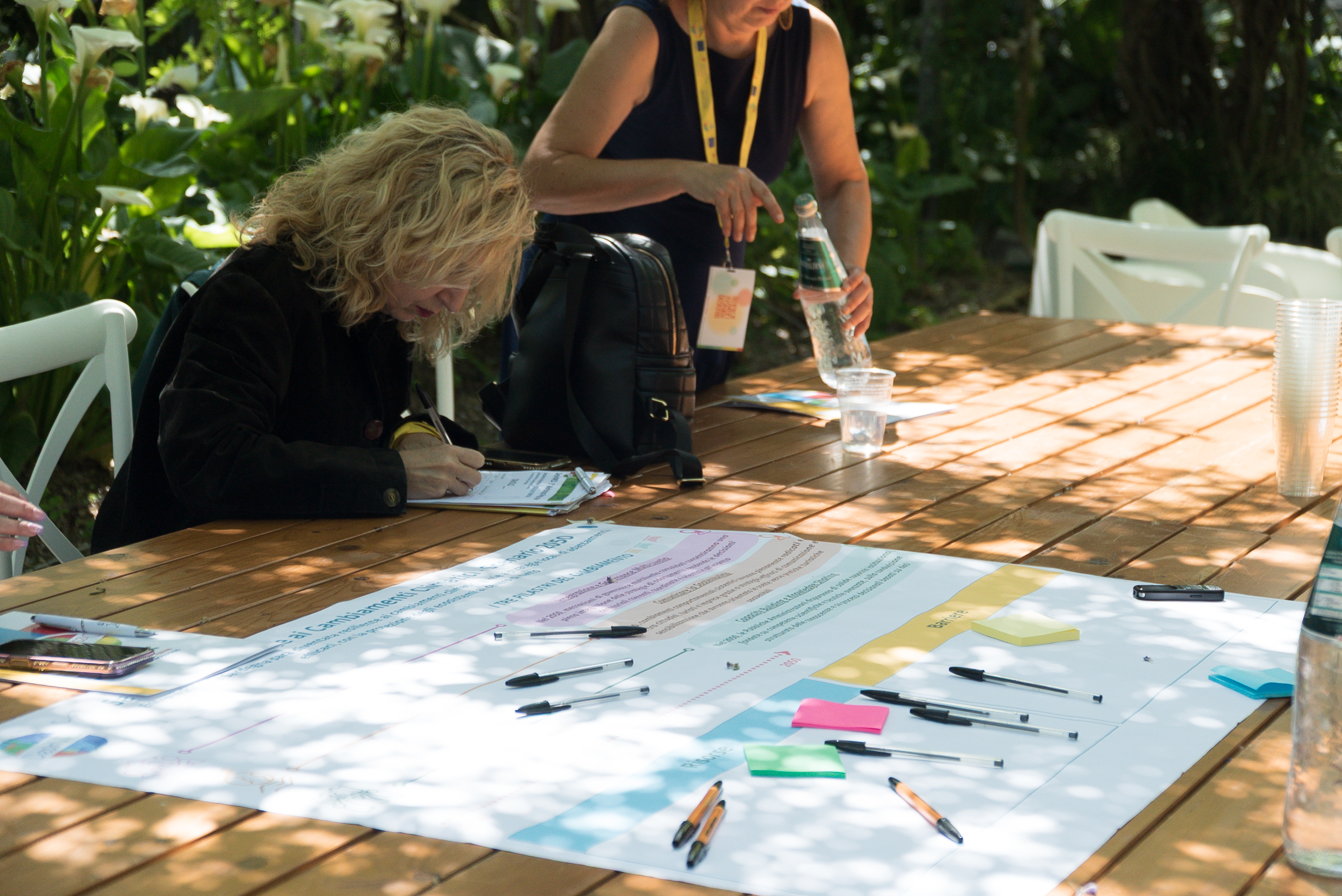
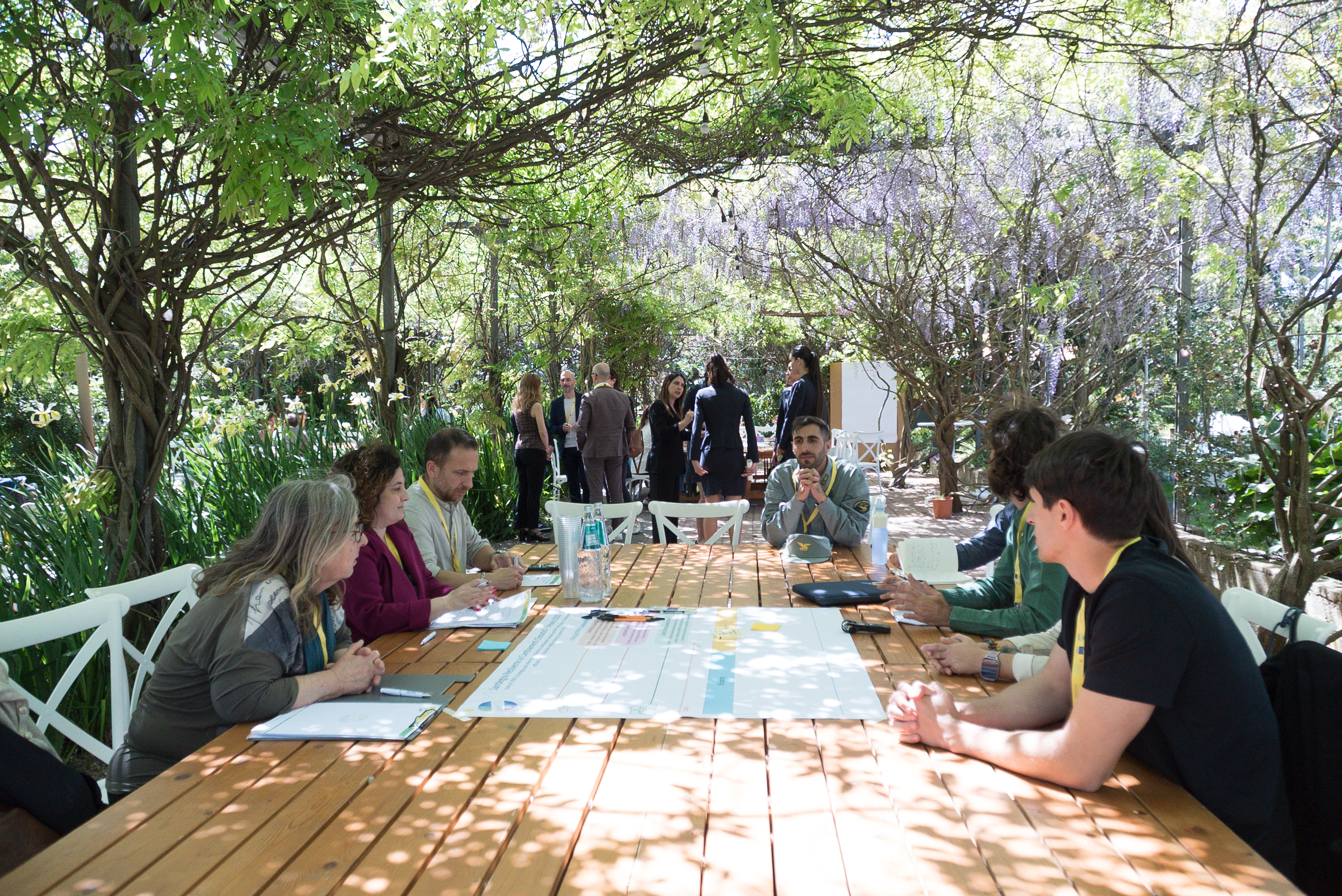
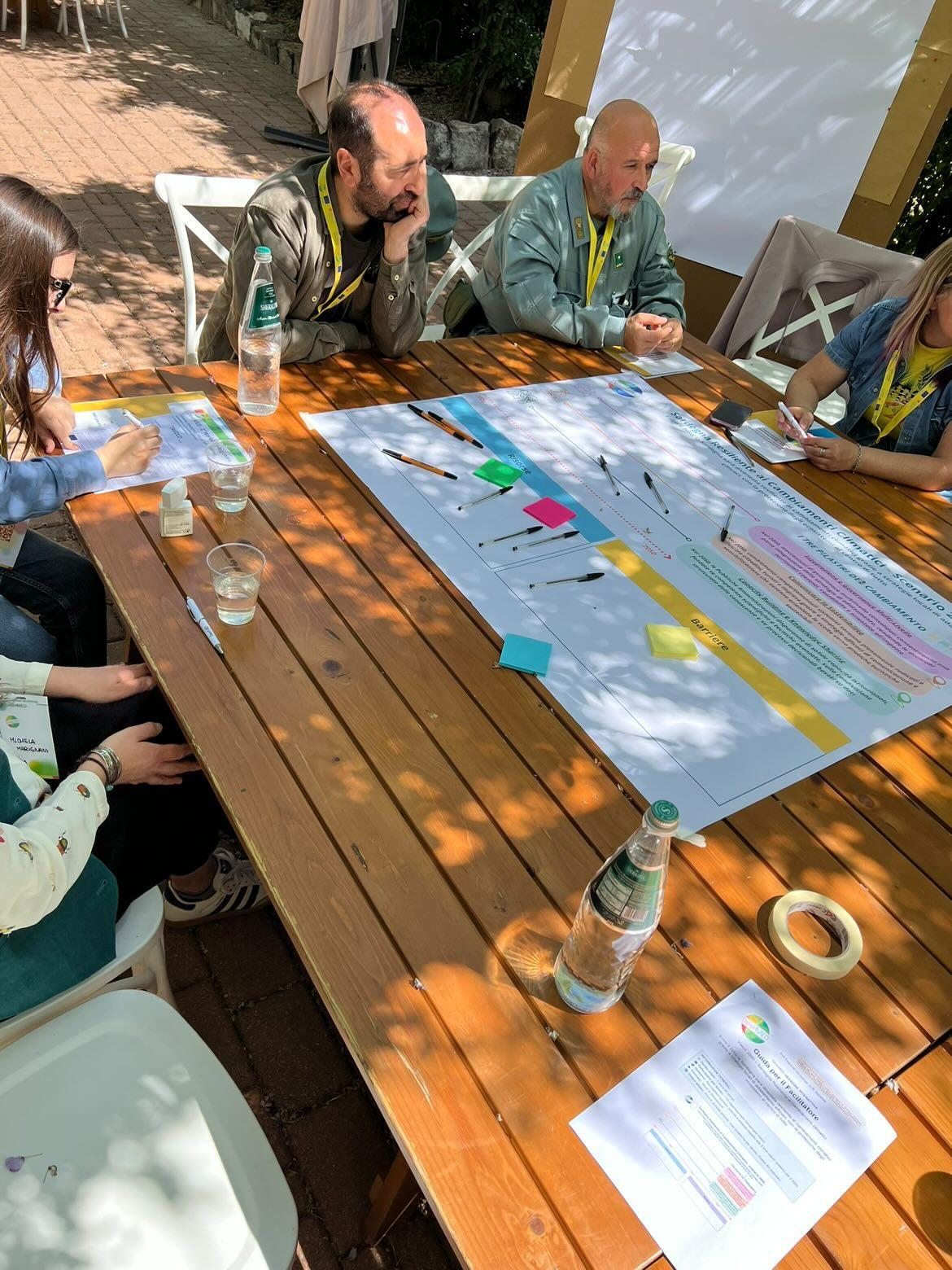
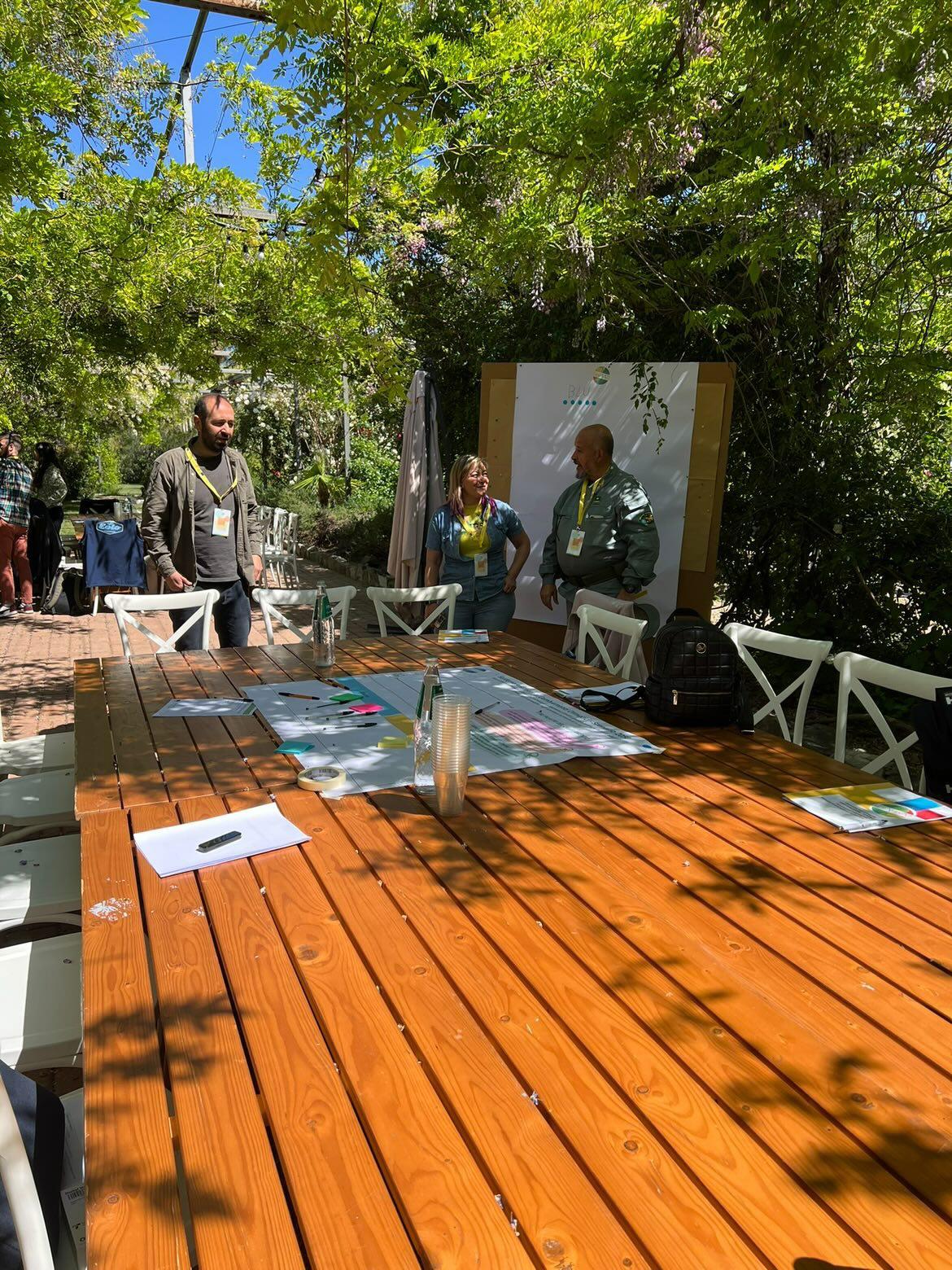
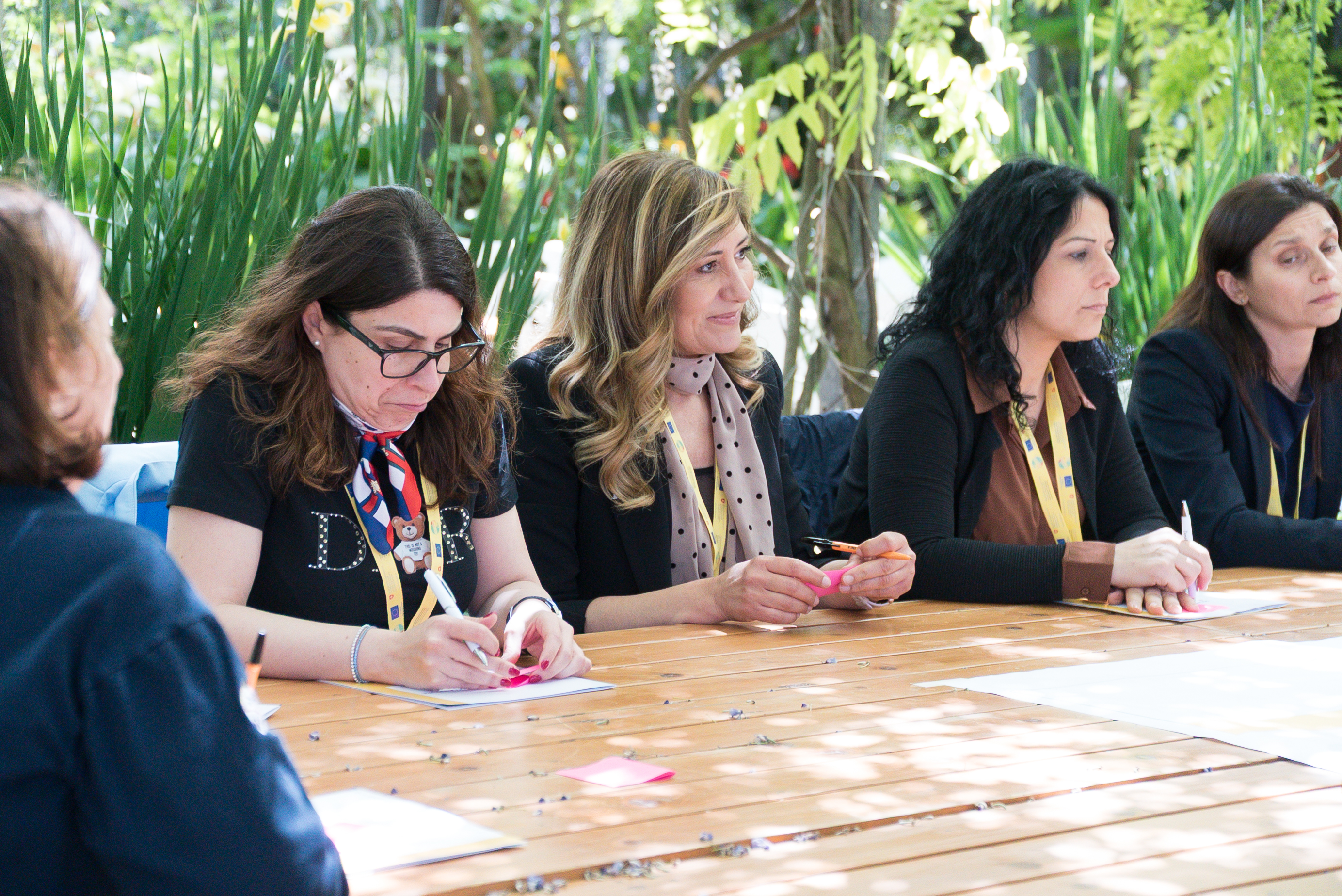
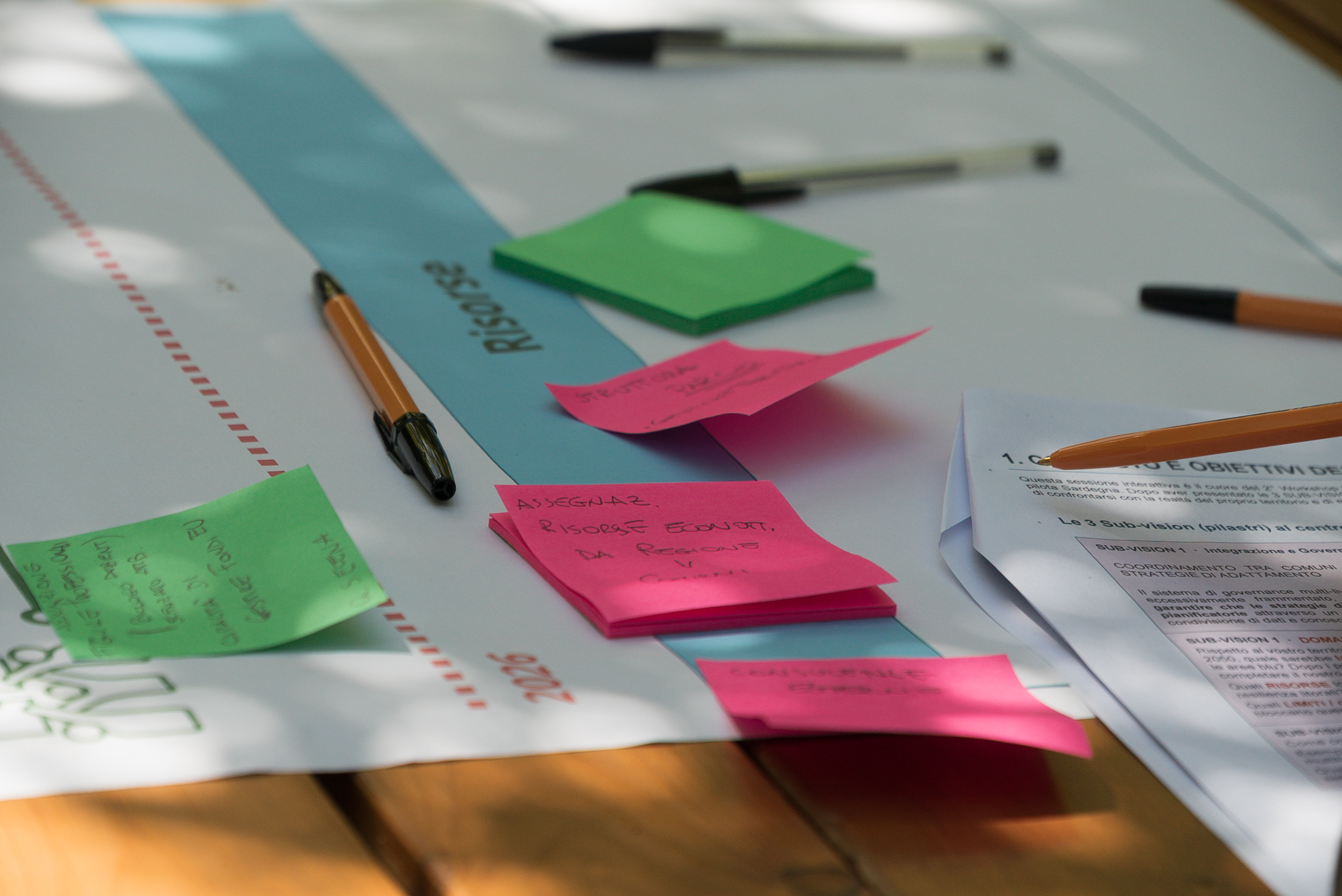
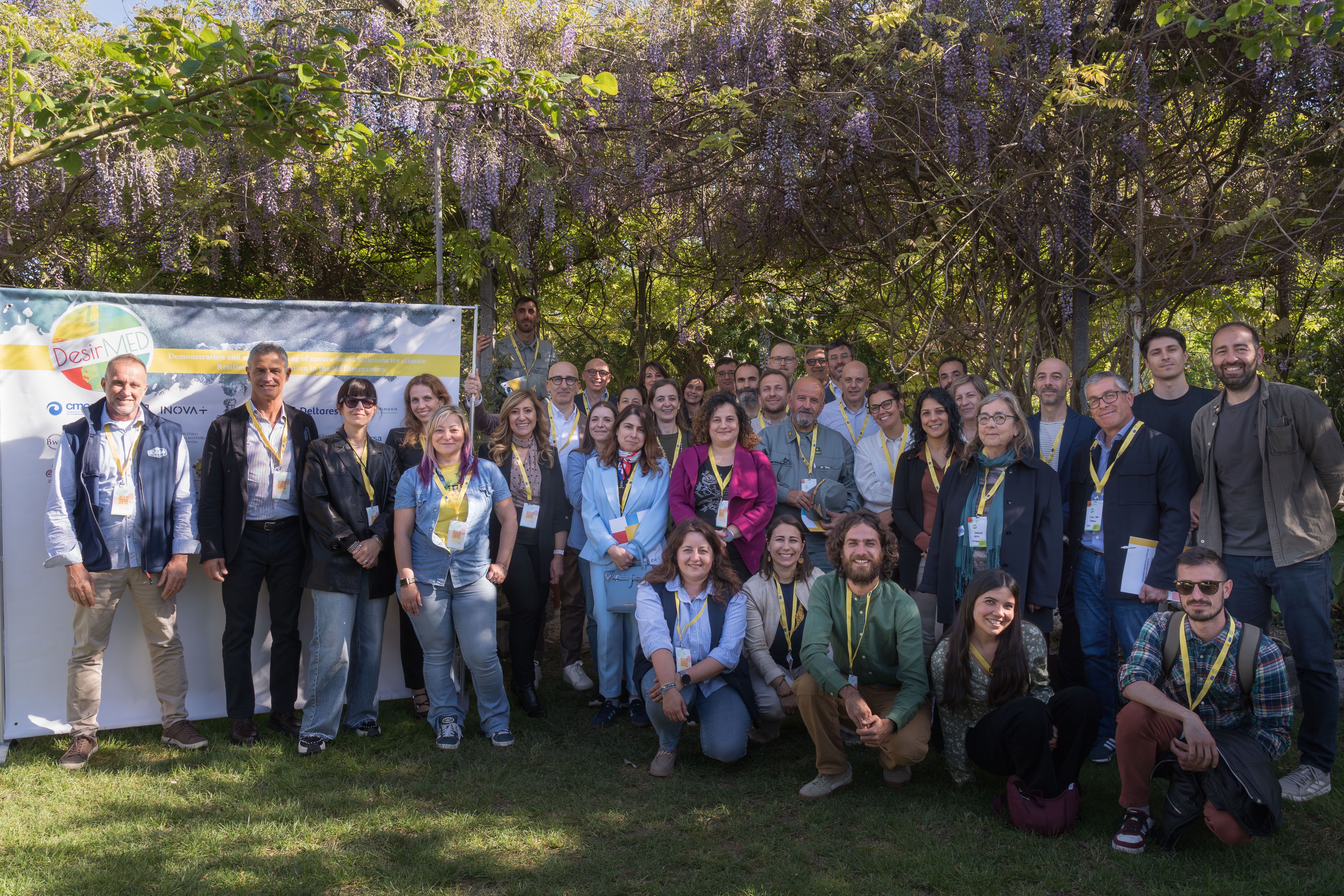
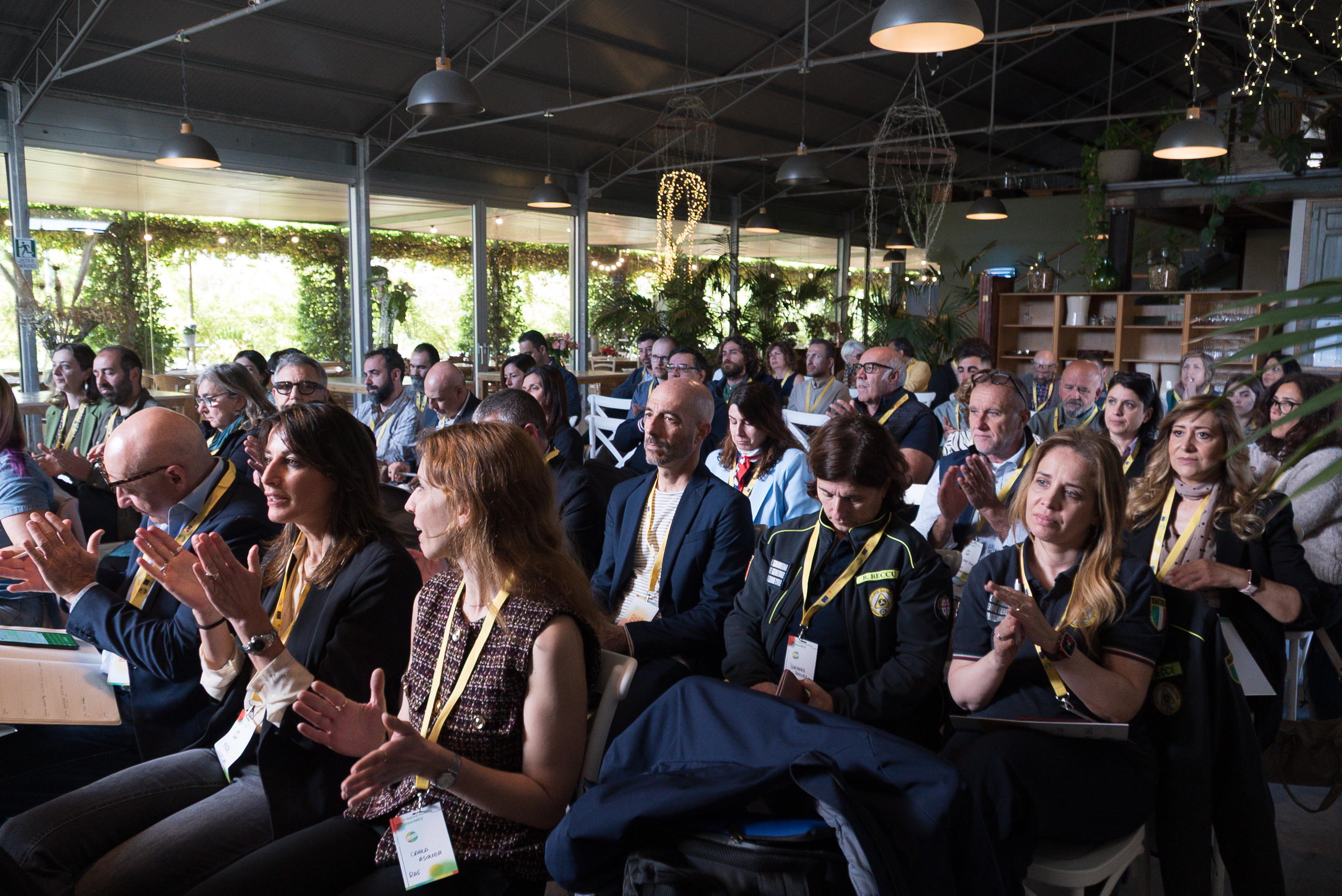
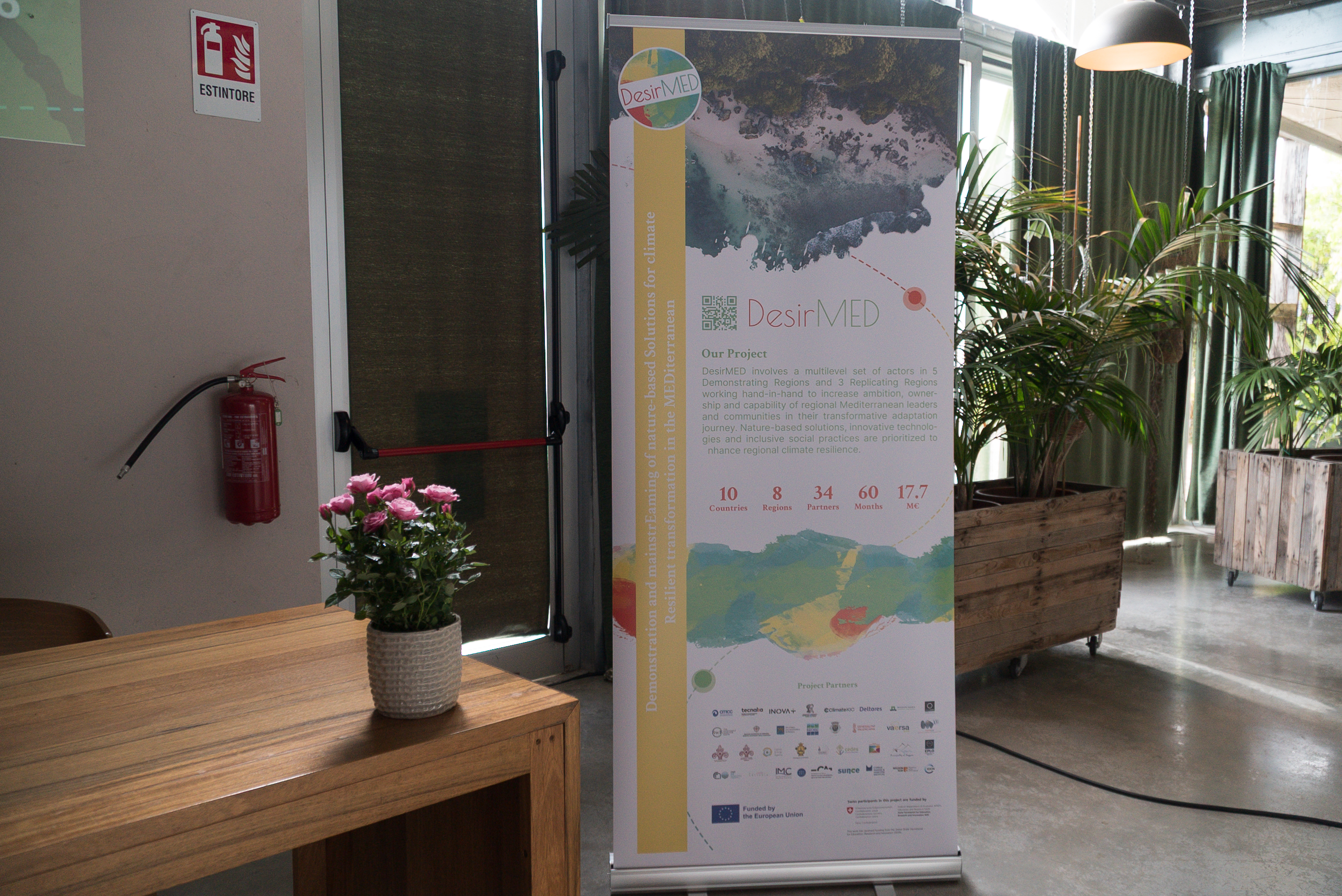
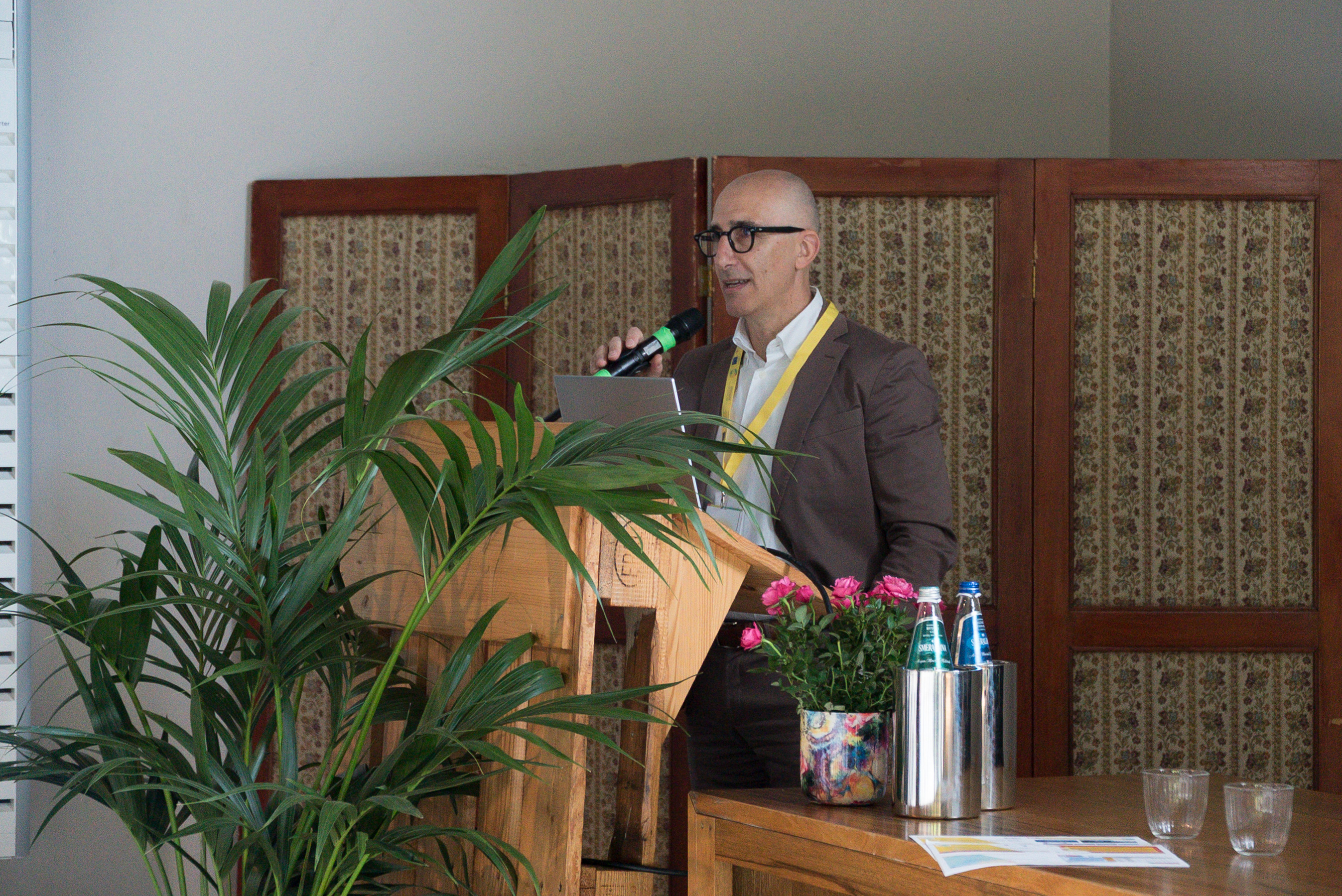
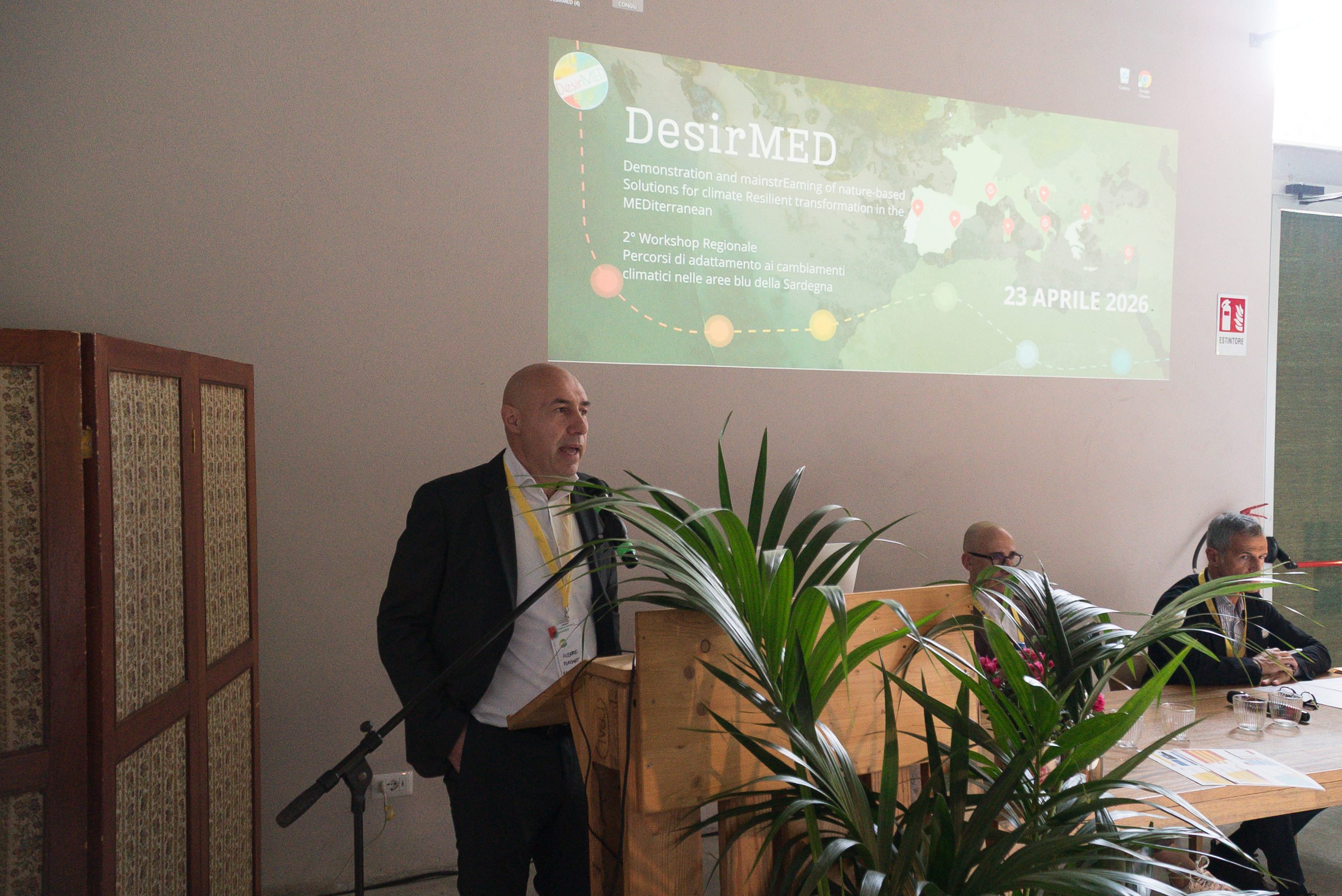
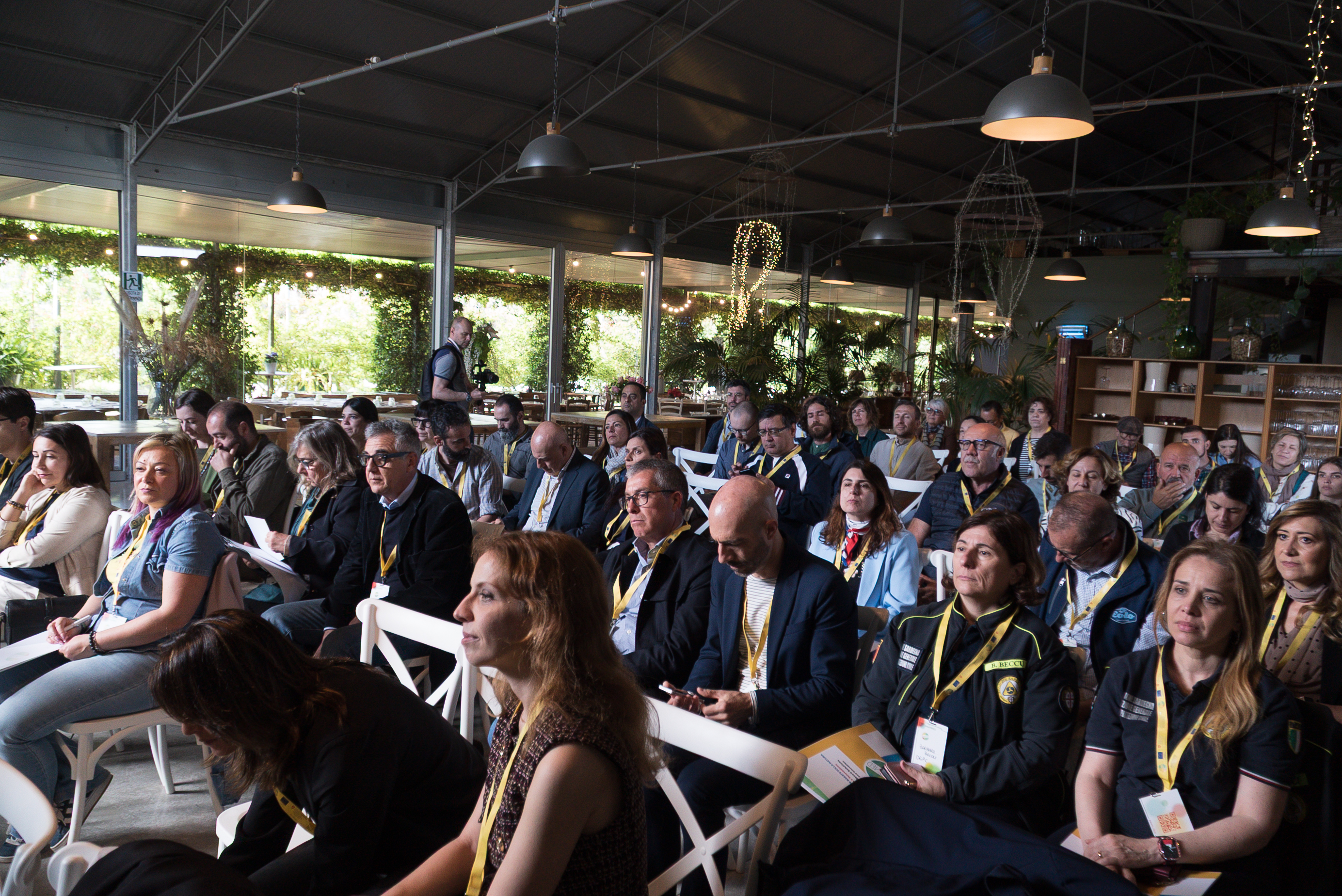
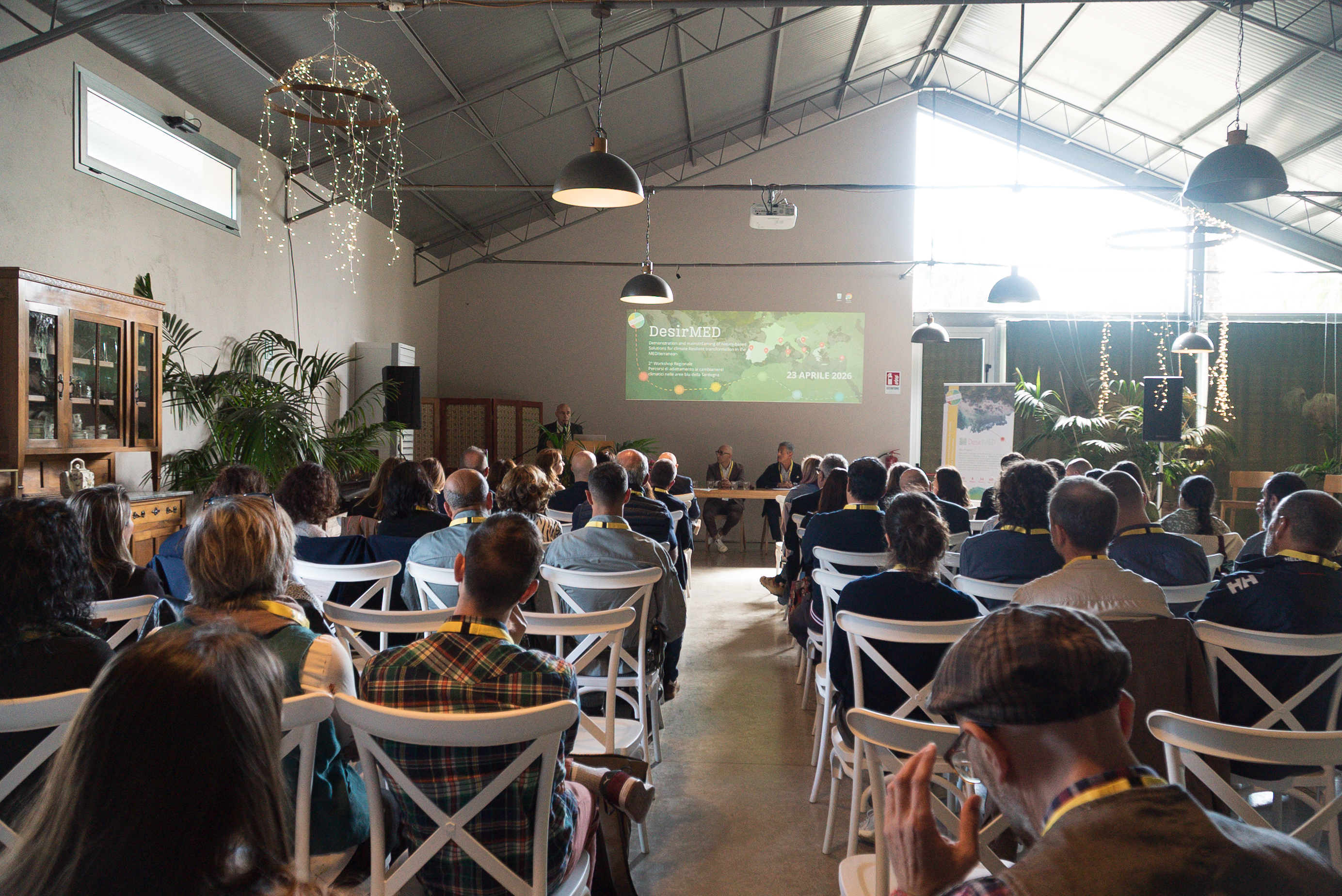
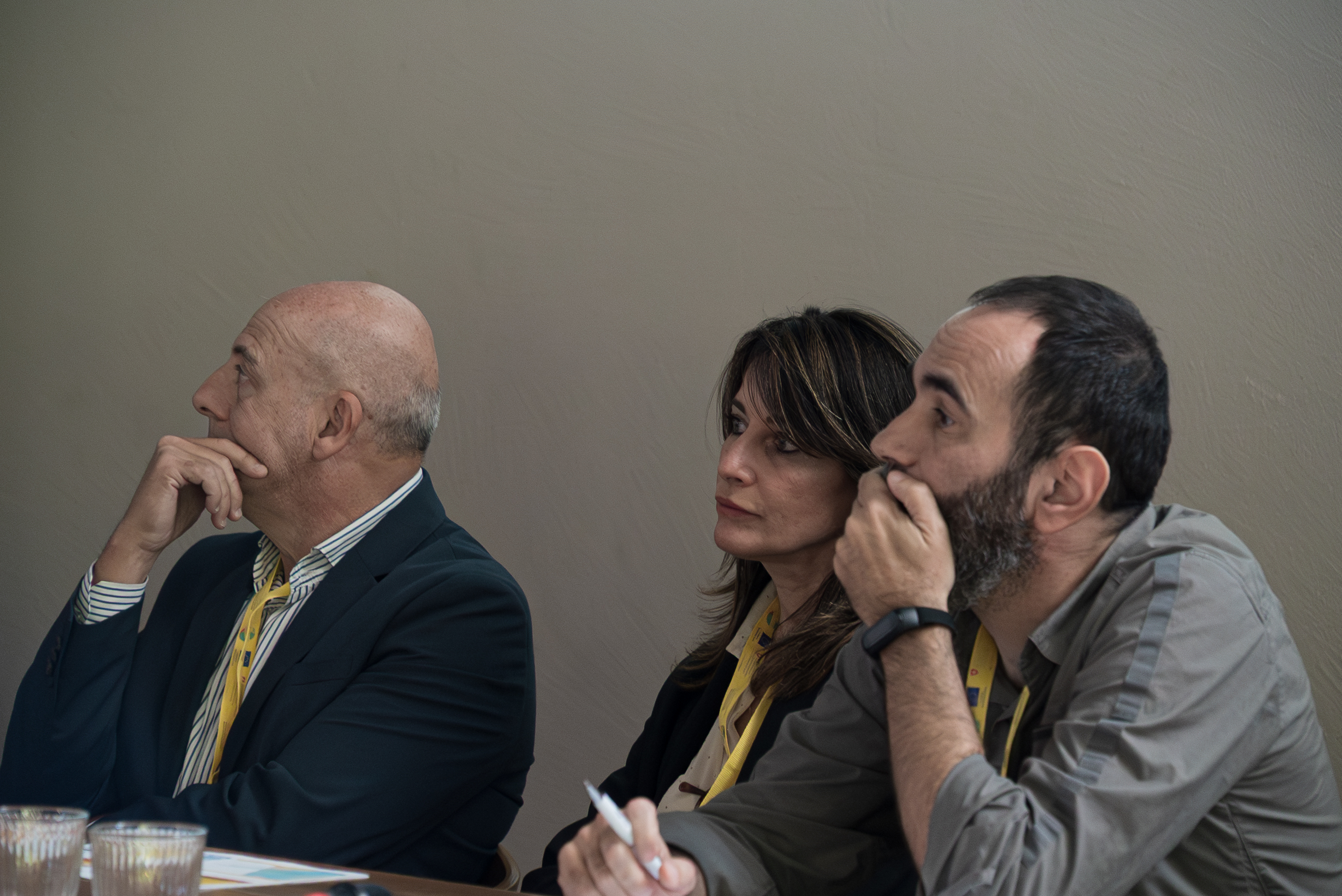
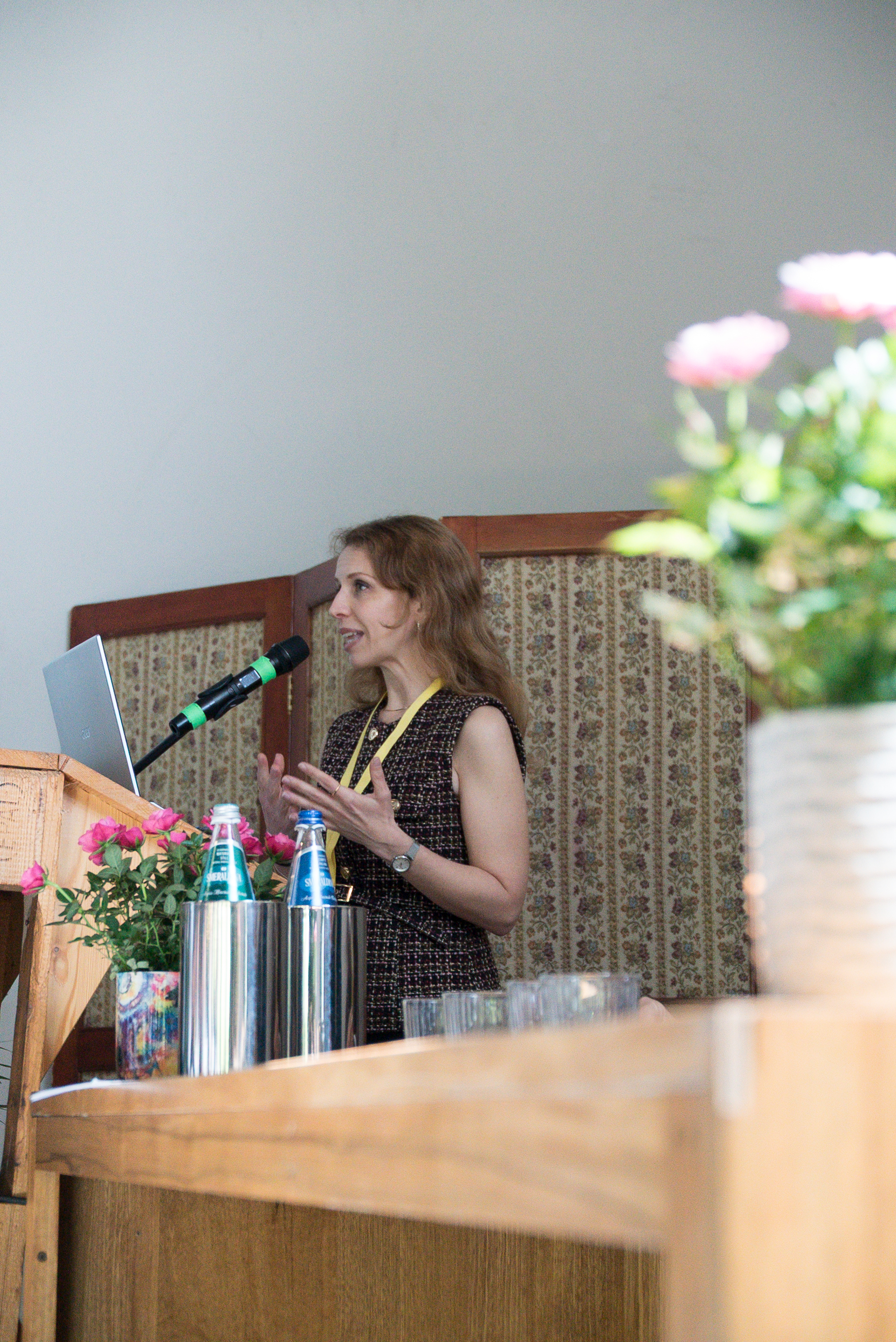
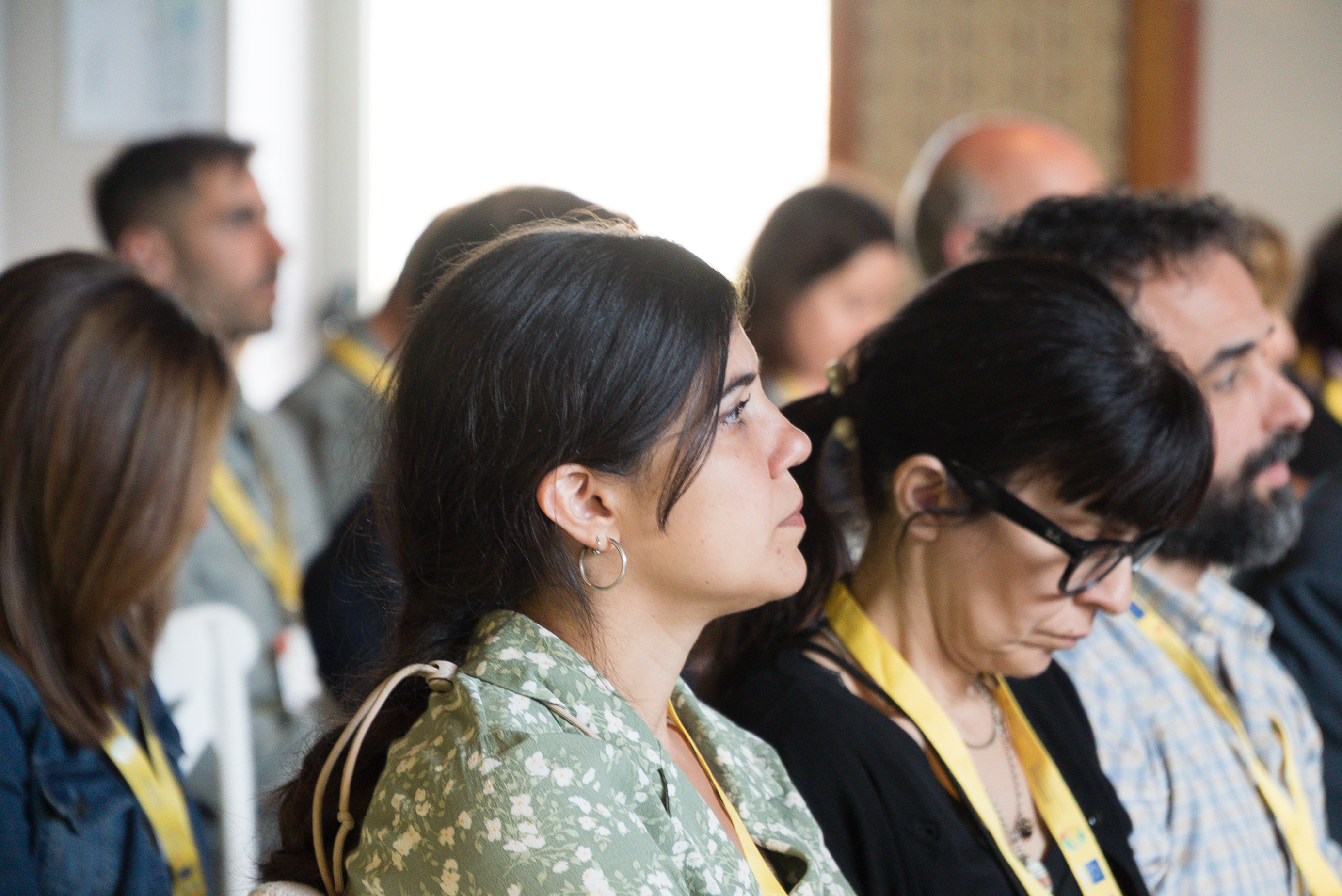
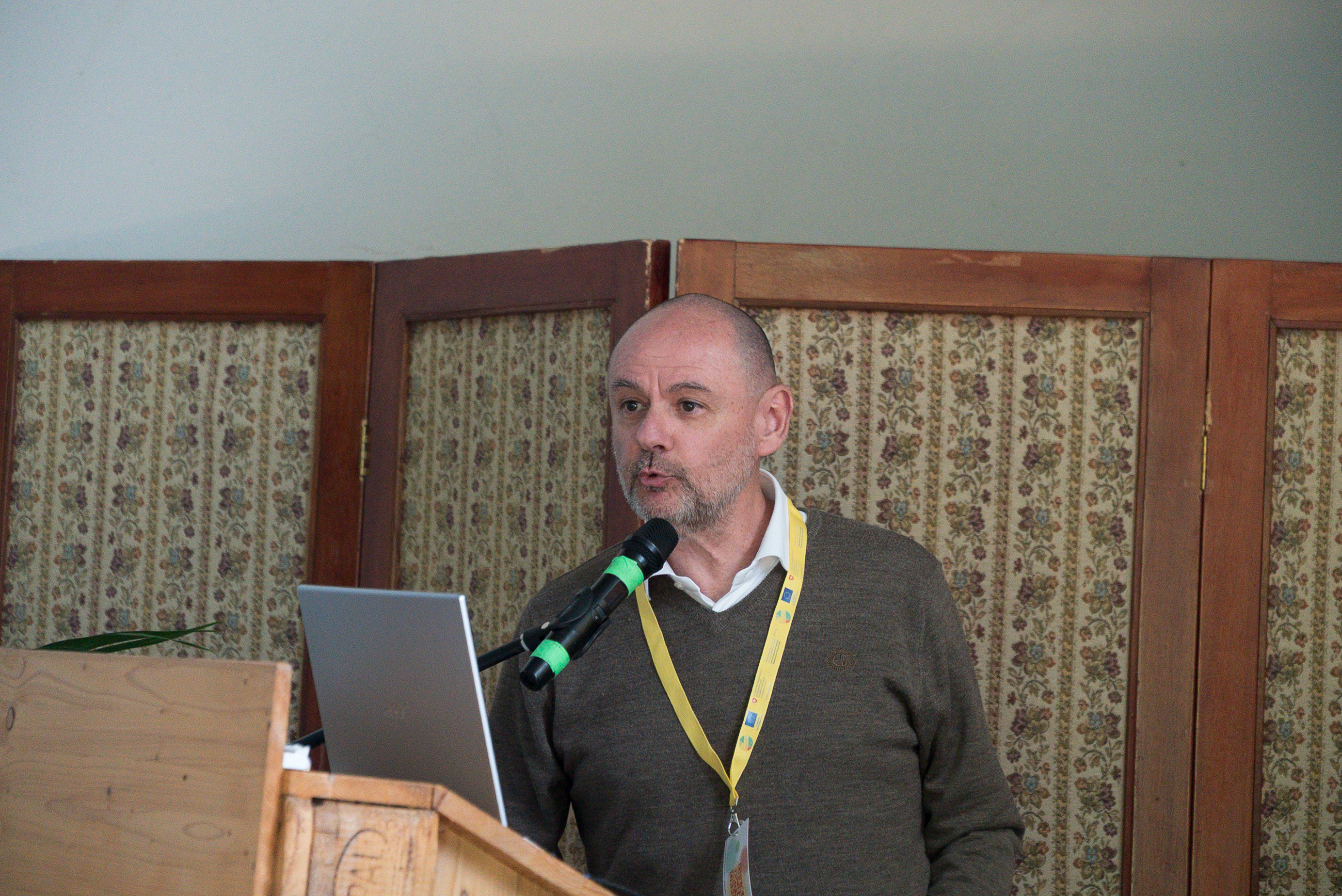
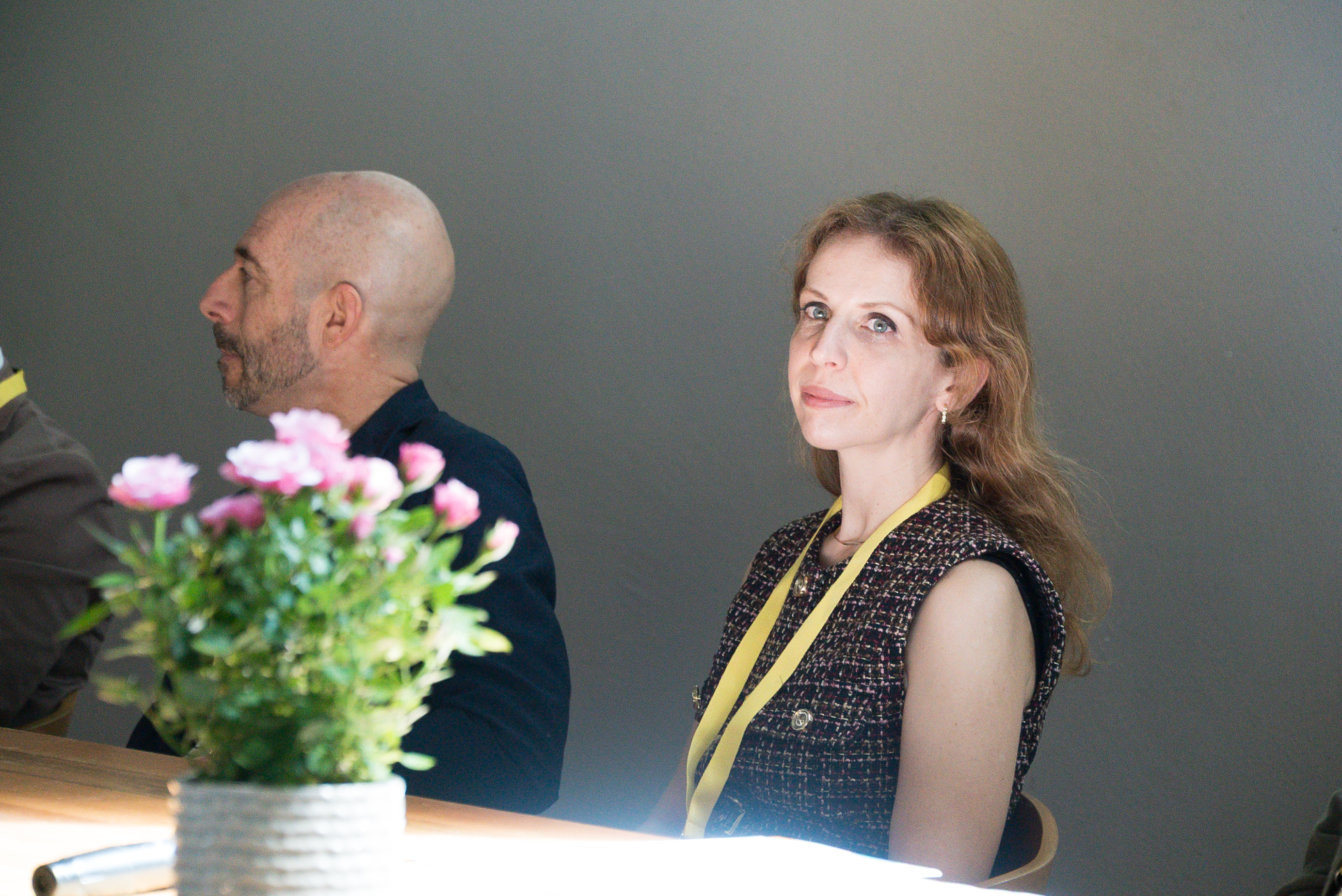
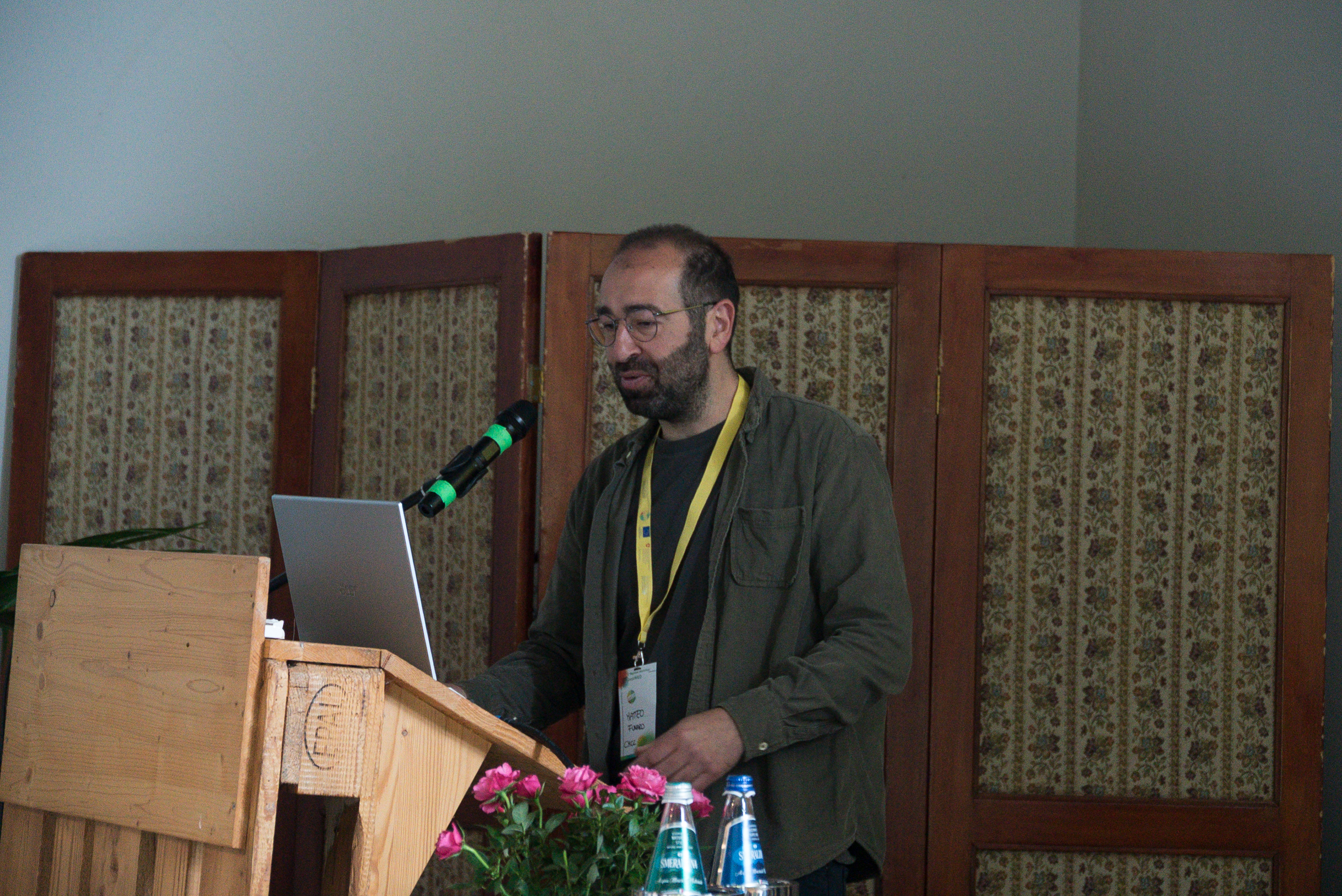
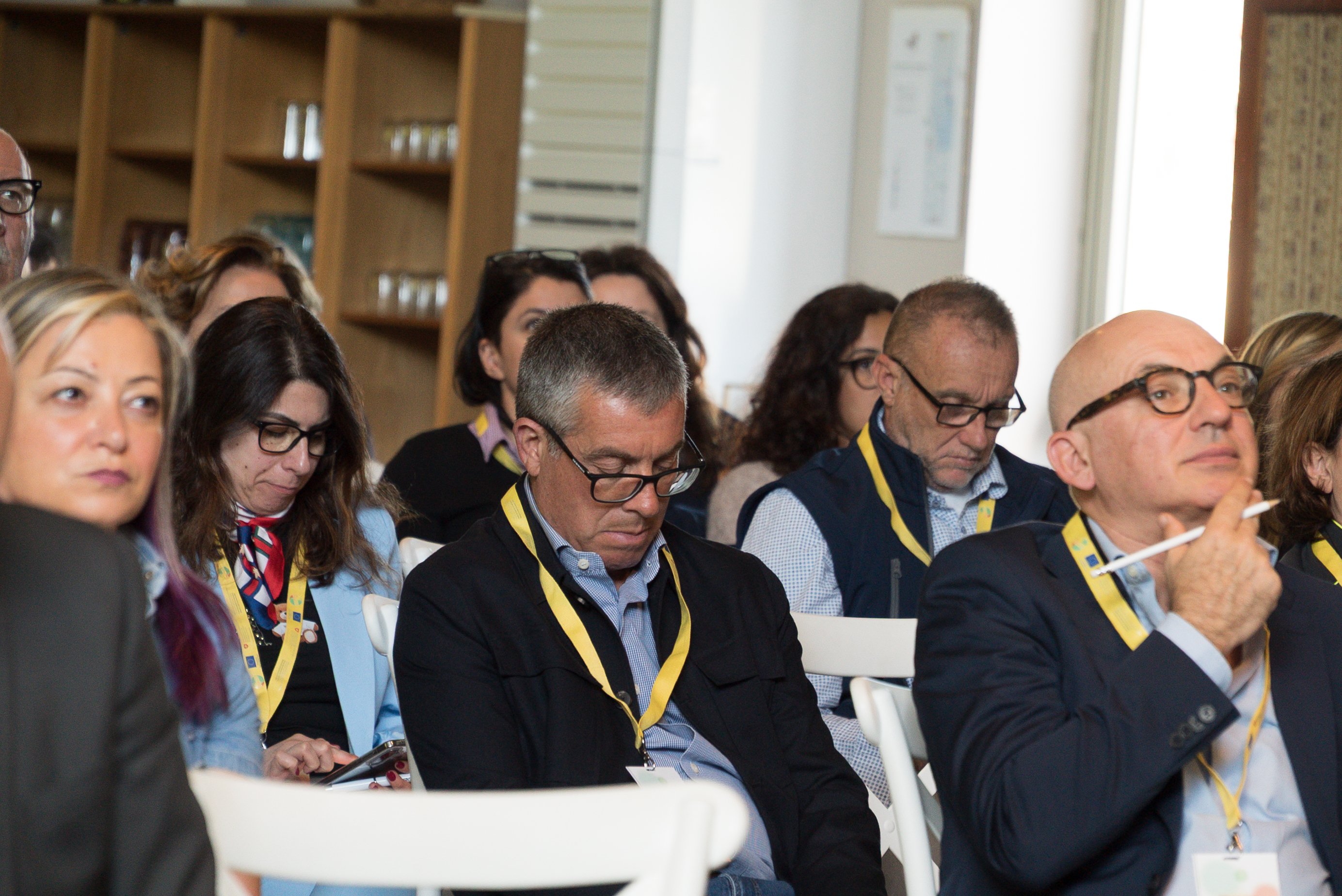
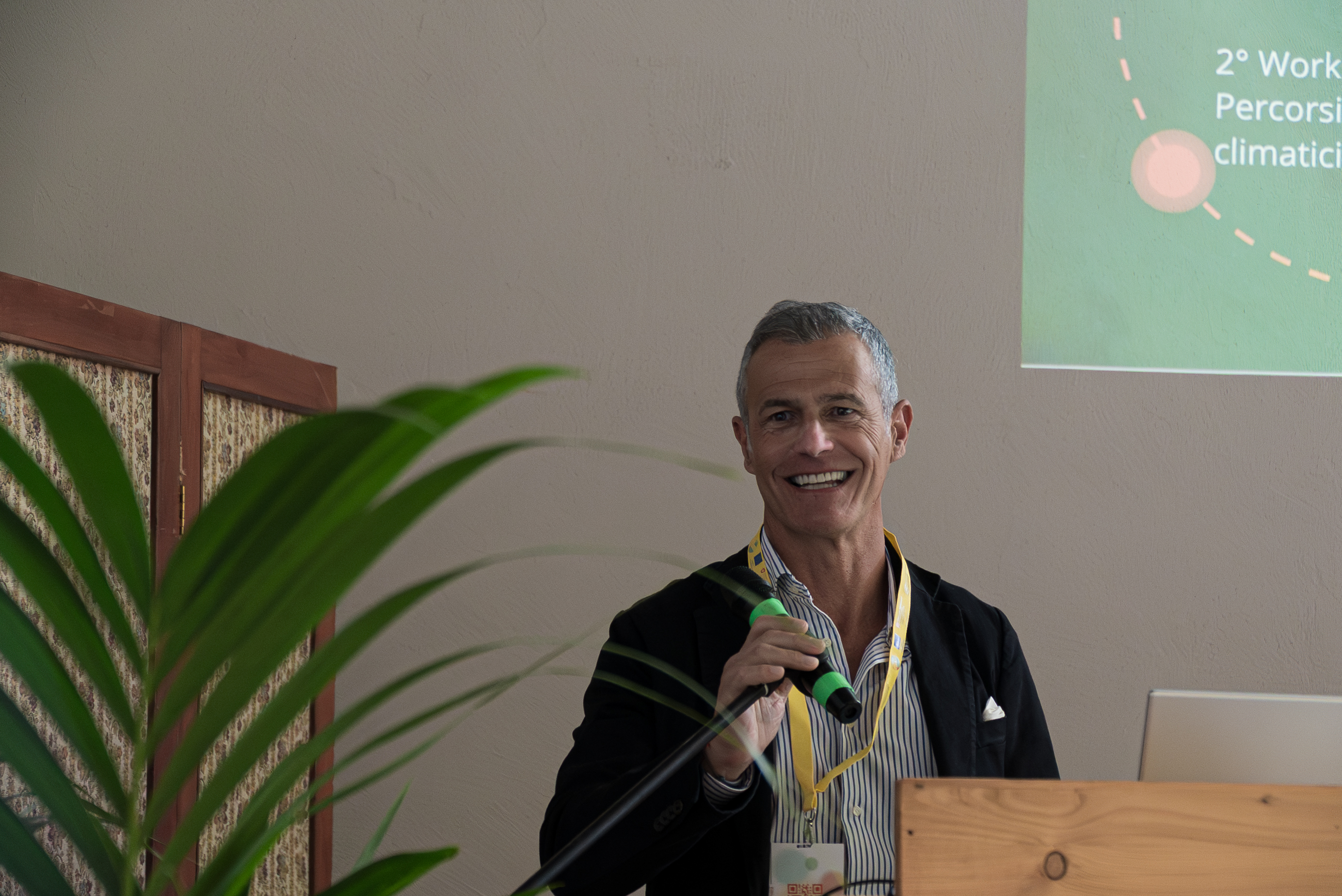
The Autonomous Region of Sardinia convened the 2nd DesirMED Regional Workshop on 23rd of April in Oristano. The event, titled “Climate Change Adaptation Pathways in Sardinia’s Blue Areas,” gathered more than 25 representatives from public authorities, research institutions, businesses, and civil society and was an important milestone in the co-development of climate adaptation pathways for Sardinia's coastal and marine areas. Organized within the DesirMED project, the event focused on transforming climate adaptation strategies into concrete actions capable of strengthening the island's resilience by 2050.
From Planning to Action
A central message emerged consistently throughout the workshop: the time has come to move from planning to implementation. Stakeholders emphasized that climate adaptation can no longer remain a strategic exercise but must be translated into practical measures that protect coastal ecosystems, communities, and local economies. Participants highlighted that environmental protection should be viewed not as a constraint, but as a valuable asset supporting Sardinia's tourism sector and long-term prosperity.
Building a Climate-Resilient Sardinia
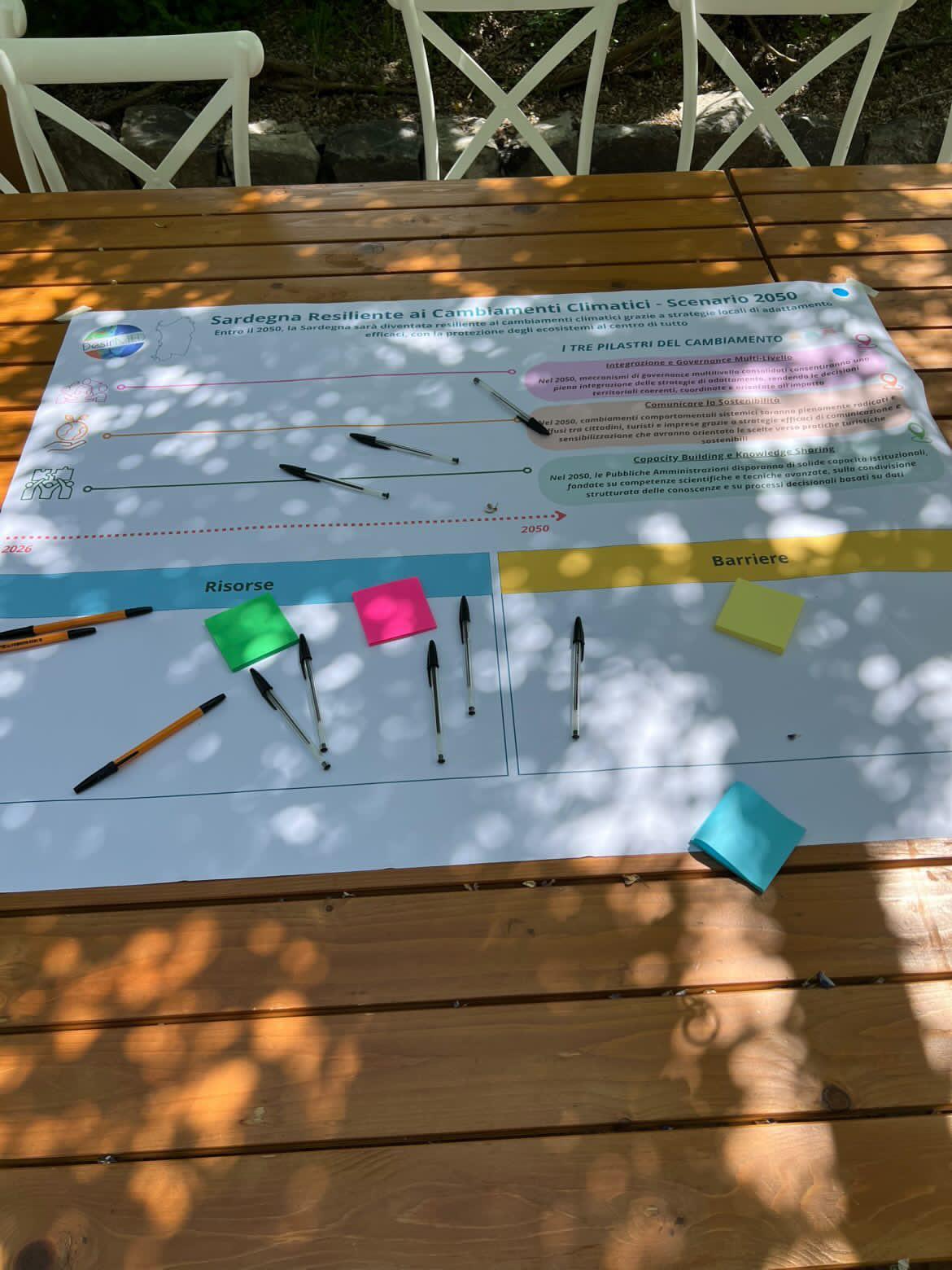
Working groups developed a shared vision for the future: by 2050, Sardinia should achieve climate resilience through effective local adaptation strategies that place ecosystem protection at the center of regional development. Key climate risks identified include coastal erosion, sea-level rise, biodiversity loss, and increasing pressures on lagoon ecosystems.
To address these challenges, stakeholders prioritized three strategic pathways:
Strengthening Multilevel Governance
The highest priority identified was improving coordination among regional institutions, municipalities, and local authorities. Participants called for permanent inter-institutional working groups, clearer responsibilities, simplified procedures, and stronger integration of climate adaptation into existing planning instruments. These measures were seen as essential to overcome fragmented governance and accelerate implementation.
Enhancing Communication and Awareness
A second priority focused on increasing public understanding of climate adaptation and ecosystem protection. Stakeholders proposed targeted communication campaigns, educational initiatives, digital tools, and collaboration with tourism operators to help residents and visitors better understand the ecological value of coastal habitats, including Posidonia oceanica meadows and beach management measures.
Developing Skills and Technical Capacity
Participants highlighted a significant skills gap within public administrations. Continuous training, technical assistance, access to environmental data, and the recruitment of specialized expertise were identified as critical steps to enable the planning, implementation, and monitoring of Nature-based Solutions (NbS) and climate adaptation measures.
Nature-based Solutions at the Core
The workshop showcased several adaptation initiatives currently being explored through DesirMED, including sediment management for coastal nourishment, protection of ecological corridors, coastal adaptation to sea-level rise, and monitoring of future changes in the distribution of Posidonia oceanica. Stakeholders recognized these measures as important opportunities to enhance ecosystem resilience while delivering benefits for coastal communities.
Participants also highlighted successful local examples already underway, such as cooperation between regional authorities and water management agencies on sediment reuse and growing support for the protection of Posidonia banquettes as natural coastal defenses.
Looking Ahead
The workshop confirmed that effective climate adaptation will depend not only on technical solutions but also on stronger governance, better communication, and active stakeholder engagement. Participants recommended creating a dedicated climate information platform, improving data accessibility, expanding citizen participation, and establishing permanent collaboration mechanisms capable of sustaining long-term action.
As Sardinia continues its contribution to the DesirMED project, the outcomes of the workshop provide a clear roadmap for advancing climate resilience across the island's coastal and marine territories. By connecting science, policy, and local knowledge, stakeholders have taken an important step toward building a more resilient and sustainable Sardinia for future generations.